
Procris repens
Procris repens
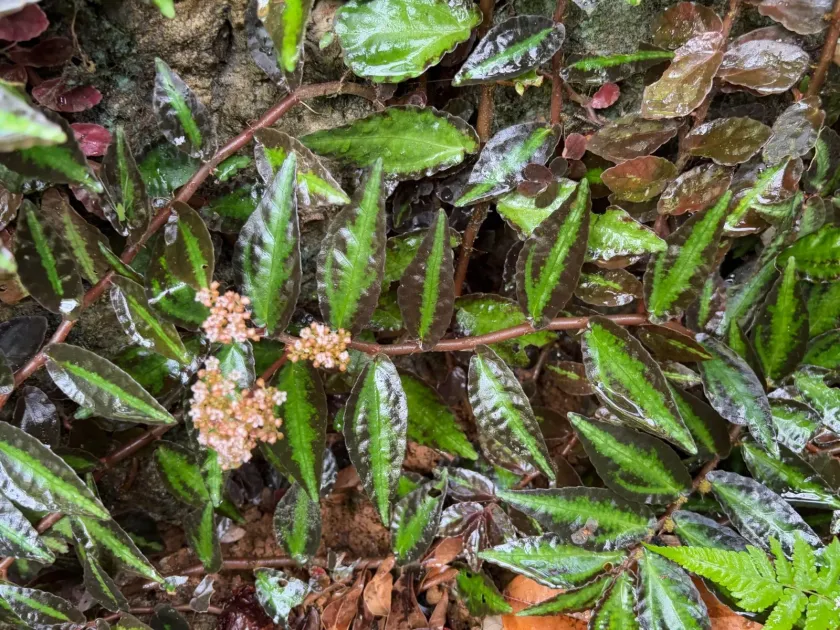
Description
Growing requirements
Procris repens, commonly known as the trailing procris, is a member of the Urticaceae family. It is a creeping, evergreen perennial native to the tropical regions of Asia, where it typically grows as an epiphyte on damp tree trunks or rocky substrates.
The plant is characterized by its thin, succulent-like stems and small, serrated leaves that create a dense, trailing carpet. Its rapid growth habit and ability to spread make it an excellent choice for hanging baskets or terrariums that require high-humidity environments.
This species thrives in bright, indirect light. Direct sunlight is detrimental, often leading to leaf scorching and loss of vitality. Providing a shaded or semi-shaded location helps mimic the plant's natural understory habitat.
The ideal growing medium is a well-draining, peat-based mix enriched with organic matter. Proper drainage is crucial, as the root system is highly susceptible to rot when kept in waterlogged conditions, even though the plant loves moisture.
Cultural requirements include maintaining ambient temperatures between 18°C and 24°C. High humidity levels are essential; in indoor settings, regular misting or the use of a humidifier is recommended to prevent the leaf edges from drying out and turning brown.
Main diseases and pests
The most significant threat to Procris repens is root rot caused by poor soil drainage and over-watering. Once the stems begin to soften or turn dark, the rot can spread rapidly through the entire plant, making recovery difficult.
Spider mites are the most frequent pest, especially when the indoor air is dry. These tiny mites inhabit the undersides of the leaves, causing stippling and eventual leaf drop if the infestation remains uncontrolled for a long period.
Mealybugs can also infest the plant, hiding in the leaf axils where they suck sap and weaken the stems. Manual removal using a cotton swab dipped in alcohol is often effective for mild infestations on small plants.
Disease management focuses on prevention through proper spacing and air circulation. Avoiding wet foliage during evening hours can significantly reduce the risk of bacterial leaf spot and various fungal infections that flourish in stagnant conditions.
Regular maintenance, including the removal of dead foliage and periodic repotting into fresh soil, ensures the plant remains vigorous. Using balanced, diluted liquid fertilizers during the active growing season supports healthy development and foliage production.