
Pothoidium lobbianum
Pothoidium lobbianum
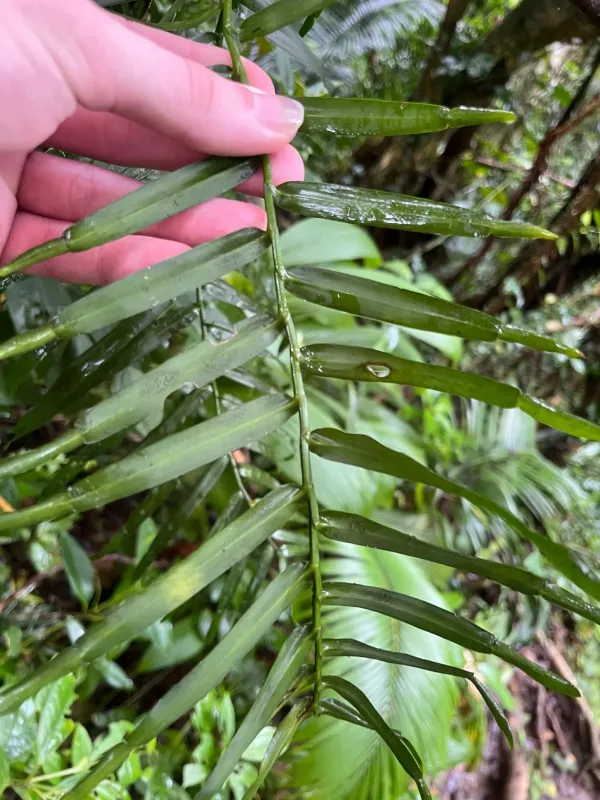
Description
Growing requirements
Pothoidium lobbianum is a distinctive species within the Araceae family, known for its unique botanical profile and growth strategy. As a member of the Aroid family, it exhibits characteristic morphological traits such as specialized leaf structures and climbing stems.
The plant originates from the tropical regions of Southeast Asia, specifically the Indonesian archipelago. It is indigenous to dense rainforest environments, where it grows as a climber on larger trees, seeking the sunlight filtering through the dense canopy layers.
Botanically, it is classified as a monotypic genus, which makes it of particular interest to botanical research. The plant relies on its aerial roots not only for stability but also for moisture absorption, adapting it perfectly to its native humid climate.
Cultivation requires a medium that balances moisture retention with high aeration. A standard aroid mix containing pine bark, perlite, and coco peat is generally recommended to replicate the organic-rich debris of its natural forest floor habitat.
Regarding climate conditions, the plant is strictly tropical and requires constant warmth. Growers must maintain a temperature range of 20 to 30 degrees Celsius and provide high ambient humidity to prevent leaf desiccation and promote vigorous vegetative growth.
Main diseases and pests
Common pests include spider mites and mealybugs, which thrive in stagnant, dry air conditions. Frequent monitoring and cleaning of leaves can significantly reduce the risk of infestation in greenhouse or indoor environments.
Root system vulnerability is a primary concern, as the plant is susceptible to various pathogens if the growing medium becomes waterlogged. Proper drainage and preventing excessive moisture accumulation are essential for preventing root decay and ensuring longevity.