
Tommasini's cinquefoil
Potentilla tommasiniana
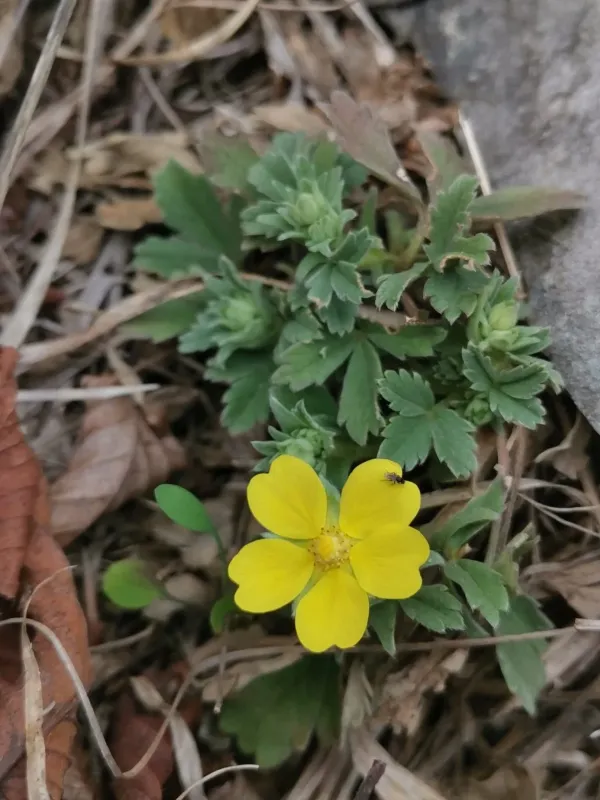
Description
Growing requirements
Tommasini's cinquefoil (Potentilla tommasiniana) is a perennial herbaceous species belonging to the Rosaceae family. It is a specialized plant, historically found in limestone-rich habitats and rocky mountain slopes.
This species is native to specific regions in the Balkans, where it has evolved to thrive in nutrient-poor, alkaline substrates. Its botanical structure is adapted for efficient survival in harsh, exposed alpine environments.
Cultivation requires full sun exposure and excellent drainage. It is imperative to plant it in gritty, well-draining soil mixes to mimic its natural limestone habitat and prevent root waterlogging.
As a compact perennial, it is highly drought-tolerant once established. It does not require intensive fertilization, as excessive nutrients can negatively affect its natural compact growth habit and hardiness.
During the growing season, watering should be performed only when the soil is completely dry. This plant excels in alpine rockeries where water movement through the substrate is naturally rapid.
Main diseases and pests
The primary threats to the health of Potentilla tommasiniana are soil-borne pathogens triggered by excessive moisture. Root rot is the most common cause of plant loss in non-draining garden soils.
Pest pressure is relatively low due to the dense, often trichome-covered foliage of the plant, which acts as a natural deterrent against common herbivorous insects like aphids or mites.
To prevent disease, it is recommended to apply a surface layer of gravel or grit around the crown of the plant. This keeps the foliage dry and prevents soil contact, reducing the risk of fungal infections.
Regular monitoring of the drainage system and the state of the crown is essential. If water pools around the plant after rain, the drainage must be improved immediately.
In cases of fungal leaf spot, thinning out surrounding vegetation to improve air circulation will effectively mitigate further spread without the need for excessive chemical treatments.