
Ternate-leaved cinquefoil
Potentilla norvegica
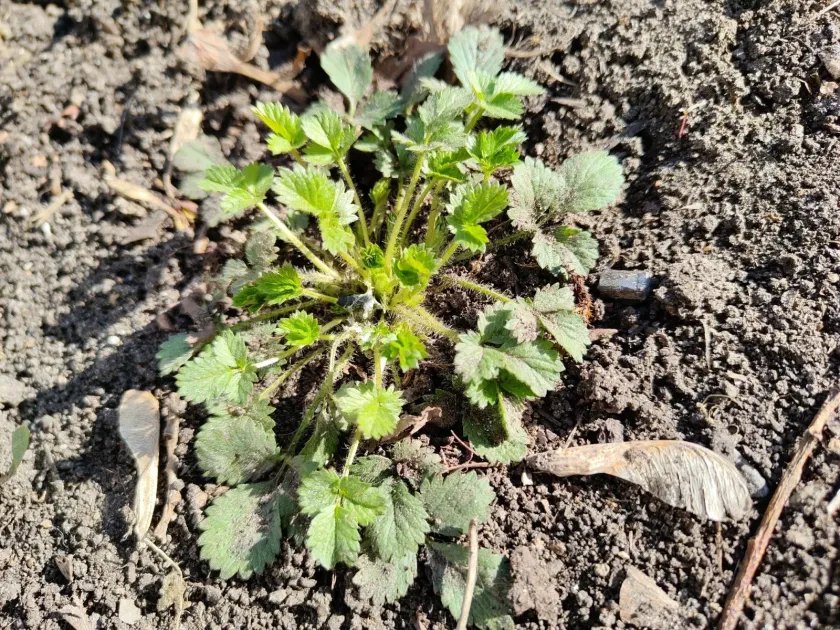
Description
Sowing dates
Ternate-leaved cinquefoil (Potentilla norvegica) is a hardy herbaceous member of the Rosaceae family. It propagates primarily through seeds, which exhibit high viability and can persist in the soil seed bank for several years, making it a persistent species in various habitats.
The germination of seeds is triggered by the warming of the soil in early spring, typically when temperatures reach 10-12 degrees Celsius. The plant can also germinate in late summer and overwinter as a rosette, allowing for rapid growth when the season commences.
Natural dispersal occurs through the movement of tiny nutlets by wind, water, or agricultural machinery. Once established, the plant develops a taproot and a branched stem, characteristic of its growth habit in disturbed soils and cultivated fields.
In farming practices, the emergence of this species can be managed by pre-planting mechanical tillage. Ensuring that the soil is prepared thoroughly before sowing primary crops helps in eliminating young seedlings before they become deeply rooted.
Understanding the seed dormancy cycle is crucial for agronomists, as sporadic germination can occur throughout the growing season. Integrating diverse crop rotations and cover cropping helps suppress its spread by competition and light reduction.
Growing requirements
The plant is known for its ecological versatility, thriving in a wide range of soil types including sandy, loamy, and heavy clay soils. It shows a preference for moist conditions, often colonizing disturbed riverbanks, roadsides, and neglected agricultural land.
Ternate-leaved cinquefoil is highly tolerant to cold climates and exhibits significant frost resistance. This hardiness allows it to survive in diverse latitudinal zones, ranging from northern boreal regions to more temperate agricultural landscapes.
Regarding light requirements, the species performs best in full sunlight. While it can survive in partial shade, it produces significantly more biomass and a higher volume of seeds when provided with ample sunlight during its vegetative and reproductive stages.
Nutrient availability in the soil influences the plant's competitive ability. Nitrogen-rich soils promote vigorous stem branching and larger foliage, which can potentially shade out shorter crop seedlings if not controlled in the early stages of cultivation.
The plant generally prefers neutral to slightly acidic soil pH levels. It avoids extreme environments like highly saline or extremely acidic bogs, concentrating its population in areas where agricultural runoff or natural soil nutrients are balanced.
Main diseases and pests
As a member of the Rosaceae family, the plant is susceptible to several fungal diseases, including powdery mildew, which can cover the foliage with a distinctive white mycelial growth during humid and warm weather conditions.
The species serves as a host for various insect pests, including leaf-feeding beetles and aphids. While these pests do not typically kill the plant, they can utilize it as a vector or a bridge to infest more sensitive horticultural or cereal crops nearby.
Rust diseases also pose a threat, especially in seasons with high rainfall. Fungal spores can survive on decaying plant debris, underscoring the importance of deep plowing and field sanitation to manage the spread of pathogens.
Monitoring for signs of pest or disease pressure on wild populations of cinquefoil is recommended, as high infestation levels in surrounding areas can necessitate increased vigilance in crop protection strategies.
Chemical control remains an option for severe infestations, but an integrated pest management approach that combines mechanical cultivation with selective herbicide application is generally considered the most sustainable long-term strategy.