
Potentilla heidenreichii
Potentilla heidenreichii
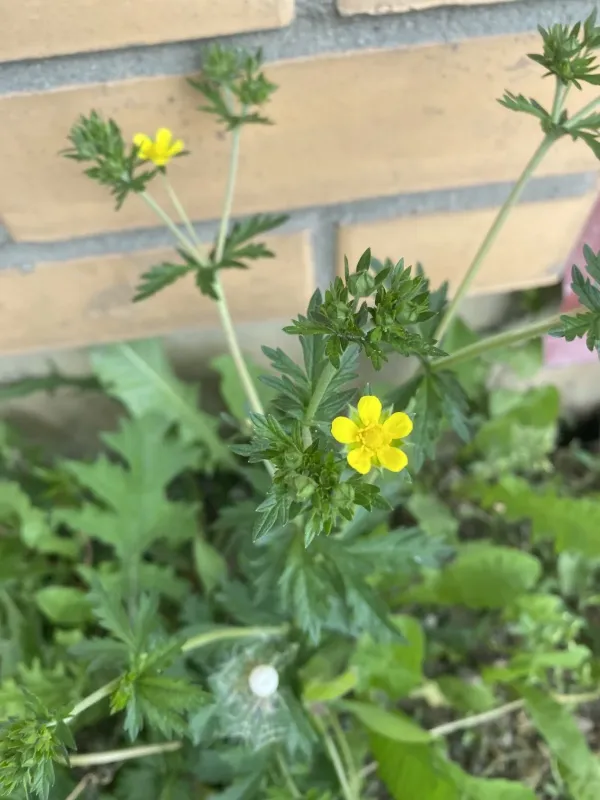
Description
Growing requirements
Potentilla heidenreichii is a perennial herbaceous plant belonging to the Rosaceae family. This species is native to specific steppe and forest-steppe regions of Eurasia, where it has evolved to thrive in temperate climates with seasonal variations in moisture and temperature.
The plant exhibits unique botanical features including a robust root system that ensures survival through harsh winters. Its foliage is typically pubescent, a biological adaptation that helps reduce transpirational water loss, and it produces characteristic yellow flowers arranged in terminal inflorescences.
Agricultural success with this crop requires well-lit, sunny areas as it shows reduced vigor in shaded environments. It is highly drought-tolerant, making it an excellent candidate for regions where water resources for irrigation are limited or costly to manage during the summer months.
Optimal soil conditions include well-drained, fertile substrates, such as sandy loams or chernozems with neutral to slightly alkaline pH levels. Poorly drained, heavy clay soils should be avoided, as stagnant water is the primary cause of root rot in this species.
Economic uses for Potentilla heidenreichii extend to ornamental gardening, soil stabilization projects on slopes, and its potential role as a melliferous plant for local apiculture. Its ability to colonize degraded soils makes it a valuable asset for environmental restoration and land management.
Main diseases and pests
The primary pathological threats to this culture involve fungal infections, most notably powdery mildew, which can spread rapidly under conditions of high humidity and poor air circulation. Regular field monitoring is essential to detect early symptoms and apply corrective measures.
Pests, such as aphids and certain leaf-eating insects, are common challenges for the genus Potentilla. Integrated pest management strategies, such as introducing predatory insects or applying targeted biological agents, are recommended to maintain plant health without damaging the surrounding ecosystem.
Root rot remains a critical issue in high-precipitation years. To mitigate this risk, it is essential to ensure proper mechanical aeration of the soil through frequent cultivation and by maintaining an appropriate planting density that allows for sufficient airflow around the base of the stems.
Weed management is vital during the establishment phase, as the young plants are susceptible to competition for light and nutrients. Utilizing organic mulches can effectively suppress weed growth while simultaneously improving soil moisture retention throughout the growing season.
Sustainable agronomic practices suggest that crop rotation is necessary to prevent the buildup of soil-borne pathogens. Avoiding consecutive cultivation on the same plot for several years maintains soil fertility and reduces the overall impact of pests and diseases on the crop yield.