
Potentilla frigida
Potentilla frigida
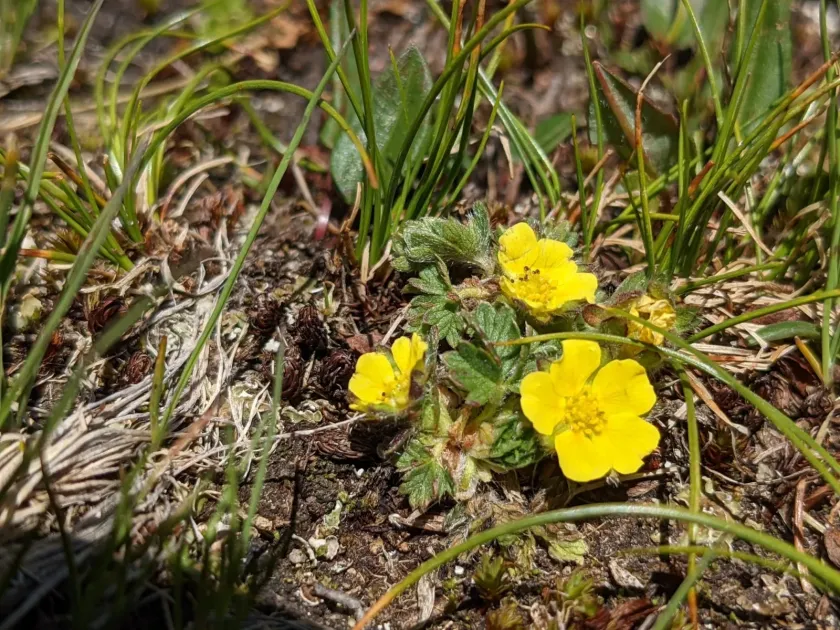
Description
Growing requirements
Potentilla frigida, commonly known as the ice cinquefoil, is a perennial herbaceous plant belonging to the Rosaceae family. It is natively adapted to the harsh conditions of high-altitude alpine zones.
Botanically, the plant features a low-growth habit with a basal rosette of leaves, which helps it minimize exposure to cold temperatures and turbulent mountain winds throughout its lifecycle.
The cultural requirements for this plant are stringent, focusing on extremely well-drained, gritty, or rocky soils that mimic its natural mountain scree environment.
Climate preferences involve high levels of solar radiation and cool to moderate temperatures; the species does not perform well in lowland areas with high humidity and stagnant air.
General cultivation practices include providing adequate winter protection against excessive soil moisture while ensuring constant airflow and light during the active growing season.
Main diseases and pests
Root rot is the most significant threat to Potentilla frigida, usually induced by poor drainage, heavy waterlogged soils, or high humidity levels that stress the plant root system.
Pests such as spider mites may colonize the foliage during hot, dry spells, potentially leading to rapid wilting and chlorosis of the plant tissues.
Aphids are another common pest in nursery or greenhouse conditions, necessitating monitoring and, if necessary, physical or chemical management strategies.
Preventing disease requires strict control of the moisture levels around the crown of the plant to inhibit the growth of pathogenic fungi.
Cultural management involves removing dead leaf tissue from the base regularly to prevent fungal buildup, which is a common issue in high-humidity cultivation settings.