
Freyn's cinquefoil
Potentilla freyniana
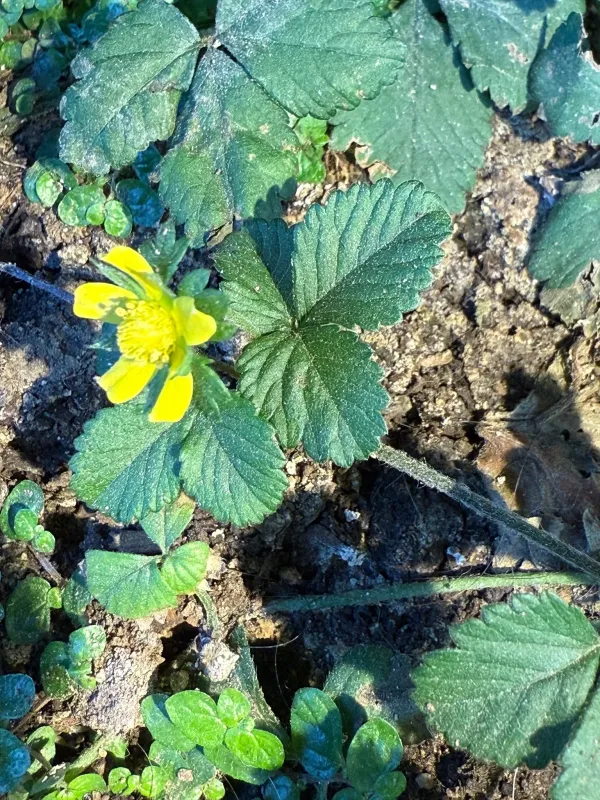
Description
Growing requirements
Freyn's cinquefoil (Potentilla freyniana) is a perennial herbaceous plant belonging to the Rosaceae family. Native to East Asian regions, it is a botanical species characterized by specific growth patterns and requirements for its surrounding habitat.
The culture thrives in well-drained, nutrient-rich soils with moderate moisture content. Unlike more drought-tolerant species of the genus, Potentilla freyniana performs best when provided with consistent water availability, especially during the peak of its vegetative period.
Climatic requirements involve temperate zones where the plant can fully complete its life cycle. It is known for its hardiness, as its rhizomatous structure allows it to survive freezing winter temperatures effectively, re-emerging in early spring.
Botanically, it features a low-growing habit with complex, serrated leaves and characteristic yellow flowers. The structure of the root system supports stable growth, allowing the plant to populate designated areas steadily without becoming overly invasive.
Its хозяйственное use is primarily centered on ornamental horticulture and landscape restoration projects. Gardeners and botanists value the species for its resilience in suitable environments and its low-maintenance requirements once the plants are established.
Main diseases and pests
The primary threats to Potentilla freyniana include various fungal infections, particularly powdery mildew, which tends to develop in conditions with high humidity and poor air circulation. These infections manifest as white coating on leaves and require immediate mitigation.
Insect pests, notably aphids and spider mites, pose significant challenges during dry summer periods. These pests can rapidly increase in population, causing leaf chlorosis and a general decline in the plant's health if left untreated.
Root rot, driven by excessive water retention in the soil, is another significant danger. This condition often results from heavy clay soils or improper drainage, allowing pathogens to destroy the rootstock and eventually kill the plant.
Preventive strategies involve ensuring proper spacing between plants and implementing a strict weeding schedule to reduce competition for nutrients. Keeping the soil surface dry and well-aerated acts as an excellent barrier against moisture-loving fungal diseases.
In case of severe infestations, targeted pesticides are recommended, ensuring the use of products safe for perennial herb plantings. Regular monitoring allows for early detection of problems, reducing the need for extensive chemical treatments later on.