
Potentilla detommasii
Potentilla detommasii
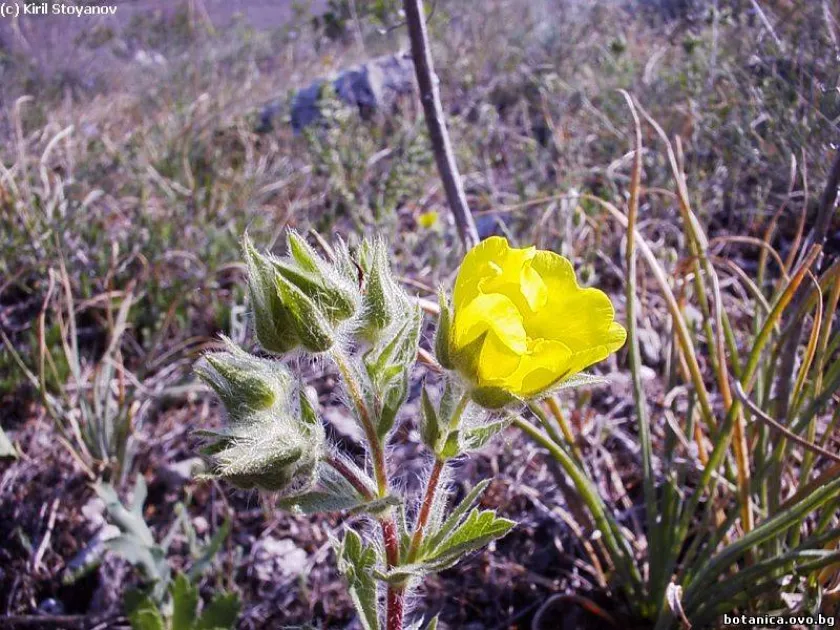
Description
Growing requirements
Potentilla detommasii is a perennial herbaceous plant belonging to the Rosaceae family. Native primarily to Southern and Southeastern Europe, this species is well-adapted to habitats characterized by dry slopes, rocky outcrops, and open grasslands where competition is relatively low.
The plant features a sturdy rhizome and erect stems that typically reach a height of 30 to 60 centimeters. Its foliage is pinnately lobed and often covered with fine hairs, which serves as a protective mechanism against intense sunlight and dehydration in its natural arid environment.
To ensure optimal development, Potentilla detommasii requires well-drained soils with a neutral to slightly alkaline pH. It thrives in locations with full sun exposure and is highly tolerant of drought conditions, making it an excellent choice for areas with poor irrigation or limited water availability.
From an agronomical perspective, the plant is valued for its resilience against temperature extremes, including frost and heat waves. Its biological architecture allows for efficient resource management, ensuring growth even when soil nutrient levels are not particularly high.
The cultivation of this species is primarily focused on landscape restoration and decorative use in xeriscaping projects. Furthermore, ongoing research explores its chemical profile, potentially linking it to broader applications within the herbal industry due to its diverse metabolic secondary compounds.
Main diseases and pests
The primary threats to the health of Potentilla detommasii involve fungal pathogens, such as powdery mildew, which can develop rapidly if the planting site is characterized by poor air circulation or excessive moisture accumulation. Proper site selection is the first line of defense against these diseases.
Common agricultural pests like aphids or spider mites may pose a threat during prolonged dry periods, leading to stunted growth or damaged leaves. Regular monitoring and implementing Integrated Pest Management (IPM) practices are recommended to maintain plant vigor throughout the growing season.