
Braune's cinquefoil
Potentilla brauneana
Description
Growing requirements
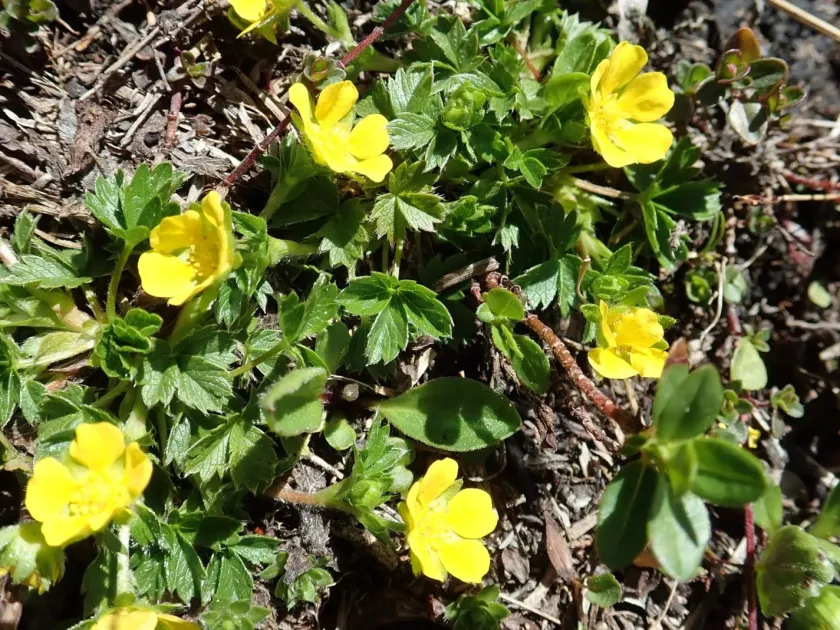
Braune's cinquefoil (Potentilla brauneana) is a perennial herbaceous plant belonging to the Rosaceae family. It is a classic high-alpine species naturally adapted to the harsh, stony environments of European mountain ranges.
The plant thrives in nutrient-poor, rocky, and perfectly drained soils. It is highly suited for rock gardens, screes, and alpine troughs where standard garden plants would struggle due to excessive soil fertility or moisture.
Regarding climate, this species requires full sun exposure to maintain its compact growth habit. It is highly winter-hardy, capable of surviving sub-zero temperatures, provided the soil remains free of stagnant moisture during dormant periods.
Agricultural techniques for this species are minimal. It requires little to no fertilization, as high nutrient levels can cause weak, leggy growth. The primary focus for the gardener should be maintaining the structural integrity of the soil.
In terms of usage, Braune's cinquefoil is exclusively valued as an ornamental plant in specialized gardening. Its unique botanical traits make it a favorite for collectors of rare alpine flora and rock garden enthusiasts.
Main diseases and pests
Powdery mildew represents the most frequent fungal challenge, particularly when air circulation is restricted. Preventive measures should include planting in open areas with ample wind movement.
Root rot is the primary physiological risk. Because the plant is native to dry alpine slopes, any water accumulation around the crown will inevitably cause tissue necrosis and plant failure.
Aphids can cause significant stress by colonizing the tender parts of the plant during the early growth phase. Early detection is key, as small populations can often be managed with mechanical removal or soap sprays.
Spider mites are a persistent problem during hot, dry spells. They cause the foliage to lose its vigor and turn greyish, requiring immediate intervention with suitable miticides if the infestation becomes widespread.
Root-knot nematodes can weaken the plant over time, often causing stunted growth. While difficult to treat in perennial plantings, ensuring healthy soil biology and avoiding overwatering helps to minimize their impact.