
Biennial cinquefoil
Potentilla biennis
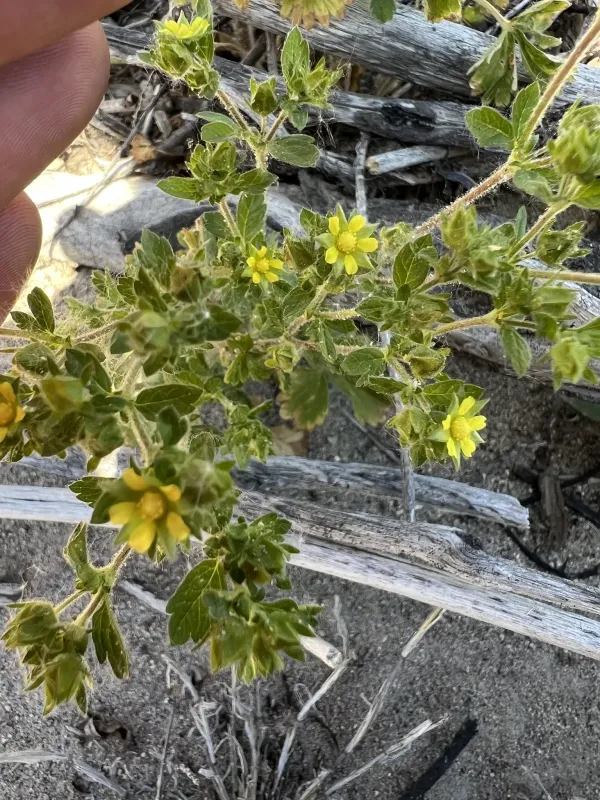
Description
Sowing dates
Biennial cinquefoil, scientifically known as Potentilla biennis, belongs to the Rosaceae family and follows a biennial growth pattern in its natural habitat.
The germination period for this species usually begins in early spring, as rising temperatures trigger the metabolic processes within the dormant seeds.
In agricultural settings, seedlings often emerge alongside primary crops, utilizing the space left after seedbed preparation and soil cultivation.
The spread of the plant is primarily driven by seed dispersal mechanisms, which allow it to establish new populations in disturbed soil environments.
Farmers often observe the presence of this plant during the early growth stages of crops, where the rosette form is established during the first year.
Growing requirements
This species requires high light intensity to thrive and is frequently found in open areas, fields, and sites with significant human disturbances.
It is adaptable to various soil textures, including loams and sandy soils, provided there is adequate moisture for initial seedling development.
Temperature tolerance is a key trait, as the plant can withstand both the cool spring weather and the heat of mid-summer in temperate zones.
The plant shows a clear preference for habitats where competition from dense perennial grasses is minimized, allowing it to claim its niche.
Soil nutrient levels do not strictly limit its presence, but higher nitrogen availability can significantly boost its vegetative growth and biomass.
Main diseases and pests
Biennial cinquefoil can serve as an alternative host for various plant viruses, which may be transmitted to surrounding crops by common insect vectors.
Fungal diseases, including powdery mildew and various types of leaf rust, can affect the leaves of the plant during periods of high humidity.
Insect pests, such as aphids and leaf-feeding beetles, are commonly associated with the plant and can cause physical damage to its foliage.
The presence of these pests on the plant can create an increased risk for neighboring crops, making it necessary to monitor and manage weed populations.
Integrated weed management strategies are recommended to minimize the impact of this species on overall yield and agricultural productivity.