
Potamophila prehensilis
Potamophila prehensilis
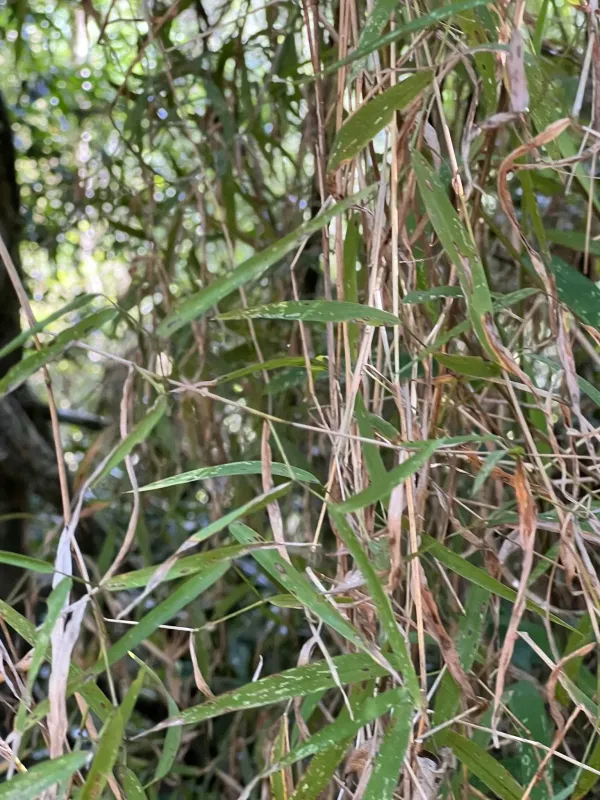
Description
Sowing dates
Potamophila prehensilis is a perennial grass species belonging to the Poaceae family. This plant is well-adapted to aquatic and semi-aquatic environments, often forming dense colonies in wetland ecosystems where water saturation is consistent throughout the year.
The optimal time for establishing a crop is during the spring season when water and soil temperatures begin to rise consistently. Planting during this window allows the root system to establish itself before the peak of the summer growth cycle.
Vegetative propagation is the most efficient method for commercial and small-scale cultivation. Utilizing rhizome segments ensures high viability and faster growth rates compared to seed germination, which can be inconsistent due to environmental requirements.
If sowing seeds, it is essential to keep the depth shallow, ideally around 2 centimeters. Maintaining high soil moisture levels is critical for germination; therefore, irrigation should be carefully managed to ensure the substrate does not dry out.
Planting density should be optimized to allow each individual clump enough space for root expansion. Proper spacing also facilitates better air circulation, which helps in preventing fungal issues during the humid summer months.
Growing requirements
As a hygrophilous species, Potamophila prehensilis requires a substrate that remains consistently moist or partially submerged. It thrives in riverbanks, wetlands, and areas with high water tables, making it an ideal choice for restoring damp landscapes.
Sunlight exposure is a primary driver of photosynthesis and biomass production. While the plant can tolerate partial shade, maximum yield is achieved in full sun, which promotes robust stem development and foliage density.
Soil composition should ideally be rich in organic matter, such as silty or peaty soils. These soil types naturally hold moisture and provide the necessary nutrients for the plant's rapid growth cycle, reducing the need for intensive fertilization.
Temperature stability is important for maintaining healthy physiological processes. The plant is best suited for temperate to subtropical climates where it can avoid extreme frost, which might damage the growing tips and reduce overall vigor.
Proper nutrient management involves providing nitrogen-rich compounds during the peak growth phase. Slow-release fertilizers are recommended to prevent excessive nutrient runoff into the surrounding water systems, which is crucial for ecological balance.
Main diseases and pests
Potamophila prehensilis is naturally resilient to most common grass pests due to the structural toughness of its leaves. This evolutionary trait serves as a defense mechanism, reducing the likelihood of significant damage from herbivorous insects.
Fungal pathogens represent the most significant threat, especially in conditions characterized by stagnant air and excessive humidity. Regular monitoring is necessary to identify early signs of leaf spot or mold, which can spread quickly in dense plantings.
Occasional infestations by aphids or similar sucking insects can occur during periods of prolonged drought or heat stress. Maintaining plant health through consistent irrigation is the best primary defense against these types of minor outbreaks.
Weed management is generally only required during the early stages of establishment. Once the rhizomes have spread and the crop has formed a thick canopy, the plant effectively suppresses competing weeds through its dense root system.
Sanitation practices, such as sterilizing equipment between plots, are essential to prevent the spread of soil-borne pathogens. If chemical interventions are necessary, they must be strictly controlled to minimize impact on local aquatic life.