
Curly-leaf pondweed
Potamogeton crispus L.
Description
Growing requirements
Curly-leaf pondweed (Potamogeton crispus L.) is a perennial aquatic plant belonging to the Potamogetonaceae family. It is a cosmopolitan species, widespread in temperate and subtropical regions across the globe.
The plant thrives in a variety of aquatic environments, including lakes, ponds, and slow-moving streams. It prefers nutrient-rich sediments and has a remarkable ability to colonize both shallow and deep waters.
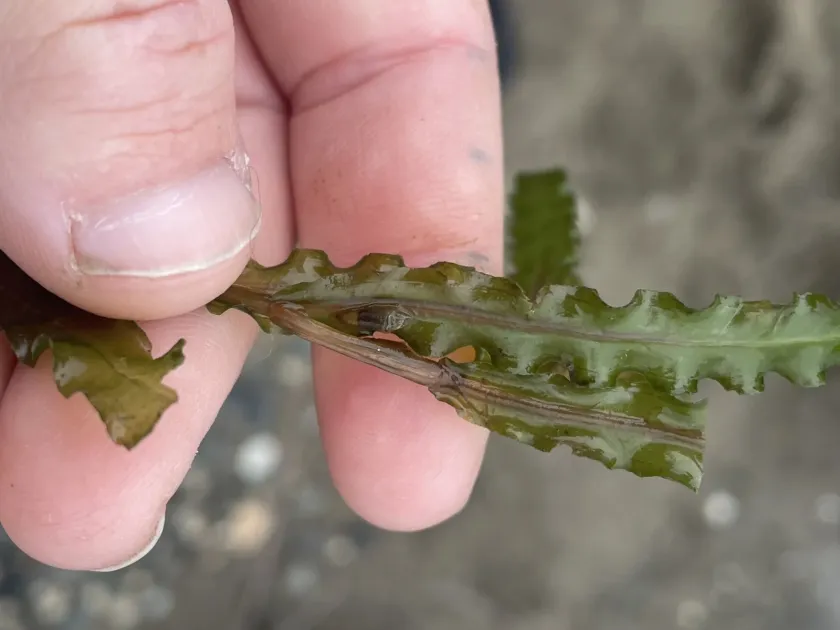
Its botanical structure is unique, featuring flat, lanceolate leaves with serrated margins and a wavy, curly appearance. The plant develops specialized reproductive structures called turions, which allow it to survive harsh winter conditions on the bottom of the water body.
Temperature plays a crucial role in the lifecycle of this species; it often begins its main growing period in early spring, utilizing cooler water temperatures that many other aquatic plants find unsuitable.
While often classified as a weed in non-native regions, within its native habitat, it serves as a critical component of the aquatic ecosystem, providing cover for fauna and contributing to the oxygenation of the water column.
Yield
The agricultural potential of Potamogeton crispus lies in its biomass production. In controlled aquatic systems, it can be harvested and processed into high-quality organic fertilizer for soil enrichment.
In aquaculture, it acts as a natural feed supplement for herbivorous fish species, such as grass carp, which consume the plant, converting its biomass into fish protein.
The plant has been evaluated for its effectiveness in phytoremediation, specifically for the removal of nitrogen and phosphorus from agricultural runoff and wastewater in farm-associated reservoirs.
Commercial yields are rarely calculated in terms of mass per hectare, but in optimal conditions, the plant can produce substantial vegetative growth that can be utilized for biofuel or compost production.
The nutritional profile of the harvested biomass includes essential minerals and proteins, making it a potentially valuable substrate for livestock feed if dried and processed correctly.
Main diseases and pests
The primary management challenge for curly-leaf pondweed is its invasive nature in certain regions, where it can outcompete native vegetation, requiring mechanical harvesting or biological control agents.
Diseases such as fungal leaf spot and root rot can occur in stagnant, warm water where aeration is low, potentially causing rapid decay of the entire colony if left unmonitored.
Pests like aquatic weevils can cause physical damage to the leaves and stems, though they are usually insufficient to control the spread of the weed in large water systems.
To minimize threats to plant health, it is essential to maintain consistent water quality and avoid excessive nutrient loading, which can trigger undesirable algal blooms that shadow the pondweed.
Mechanical management, such as cutting and removing the biomass before turions are produced, is the most effective way to control its density and prevent unwanted spread in irrigation networks.