
Potalia amara
Potalia amara
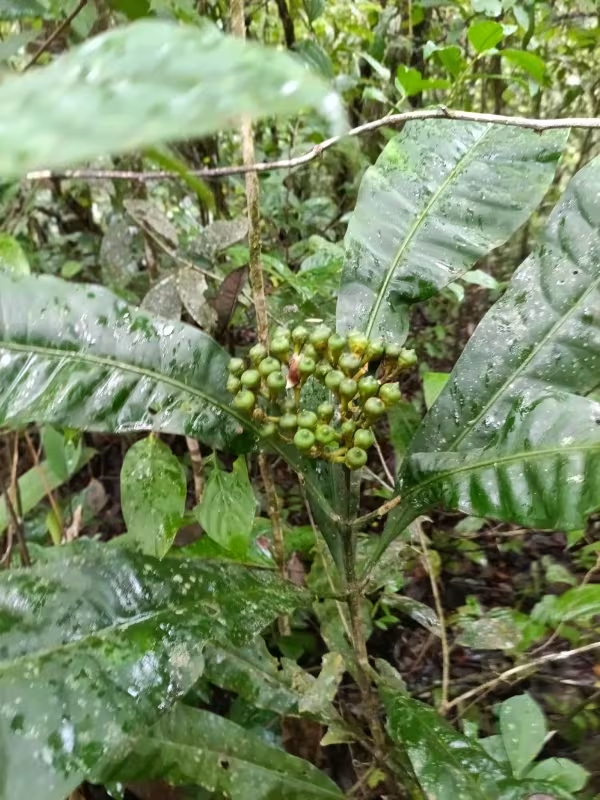
Description
Growing requirements
Potalia amara is an evergreen shrub belonging to the Gentianaceae family. This species is native to the humid tropical forests of South and Central America, where it thrives in the understory.
The crop demands specific environmental conditions, including consistently high relative humidity and a stable temperature range. It prefers loose, humus-rich soils that are slightly acidic in nature.
Being a shade-tolerant species, Potalia amara should be grown in partial shade. Direct exposure to intense sunlight can significantly impair its growth and cause severe leaf chlorosis.
Water management is critical for this species. The soil must be kept moist at all times, but effective drainage is required to prevent waterlogging, which can cause root decay.
The optimal growing temperature for this plant is between 22°C and 28°C. Sustained temperatures below 15°C can cause physiological stress and inhibit normal vegetative development.
Yield
The primary economic value of Potalia amara lies in its pharmacological potential. The roots and leaves are harvested for their therapeutic compounds, including alkaloids and bitter glycosides.
These secondary metabolites provide the plant with significant antimicrobial and tonic properties. Traditionally, the plant has been used in local herbal medicine practices.
To ensure high quality, the harvest must be conducted at the peak of the plant's metabolic activity. Proper post-harvest handling, specifically drying in shaded, well-ventilated areas, is essential.
Yield stability depends heavily on maintaining the specific environmental parameters that simulate the plant's native habitat. Controlled cultivation is still an evolving field of research.
Future agricultural scaling will rely on selecting genotypes that are more resilient to cultivation in non-native environments while retaining high concentrations of active ingredients.
Main diseases and pests
The crop is highly susceptible to fungal diseases caused by high ambient humidity. Root rot, in particular, can decimate plantations if moisture management is not strictly controlled.
Various insect pests, such as defoliators and mites, pose a threat to leaf quality. Damage from these pests not only reduces biomass but also compromises the integrity of the medicinal components.
Effective management strategies include adequate plant spacing to facilitate air circulation, which reduces the incidence of fungal spore dispersal within the canopy.
Integrated pest management (IPM) is recommended over chemical interventions, given that the final product is intended for medicinal use where chemical residue limits are strict.
Routine inspections are necessary to identify early signs of pathogen colonization, allowing for prompt isolation of affected plants to protect the wider crop population.