
Porlieria angustifolia
Porlieria angustifolia
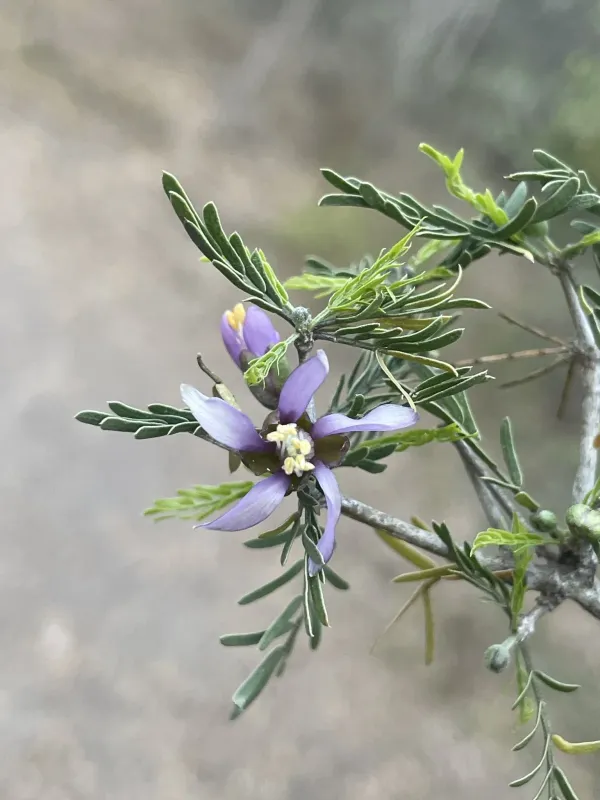
Description
Growing requirements
Porlieria angustifolia is a resilient perennial shrub or small tree belonging to the Zygophyllaceae family. It is widely recognized for its ability to thrive in the harsh, arid environments of the Chihuahuan Desert and surrounding regions.
The plant exhibits remarkable xerophytic adaptations, allowing it to maintain metabolic activity under high temperatures and prolonged water scarcity. Its slow growth rate is a direct reflection of its strategy for conserving energy in nutrient-poor desert soils.
Cultivation requires sites with excellent drainage and sandy or rocky soil profiles. Heavy clay soils that retain moisture are generally unsuitable, as they promote root rot and hinder the natural development of the plant.
Full sun exposure is a non-negotiable requirement for Porlieria angustifolia. The species thrives when receiving direct, intense solar radiation, which facilitates the accumulation of essential compounds within its tissues.
Management of the plantation should involve minimal soil disruption. Given its adaptation to wild habitats, the species does not require intensive fertilization, and excess nitrogen can actually weaken its natural resistance to stressors.
Harvesting
The harvest of Porlieria angustifolia is primarily directed towards its high-quality, dense wood and medicinal foliage. Because the plant grows slowly, harvesting practices must be sustainable to ensure the longevity of the plantation.
Selective pruning is the preferred method for collecting leaf and twig material. This technique promotes healthy regrowth and prevents long-term damage to the plant structure, ensuring continuous production over several years.
The wood is harvested for specialty woodworking, known for its fine grain and durability. Harvested wood is often air-dried to manage moisture content and prevent checking or splitting during the curing process.
Post-harvest management involves careful drying in shaded, ventilated areas. This is crucial to maintaining the concentration of alkaloids and resins used in pharmaceutical and traditional preparations.
Effective storage requires humidity-controlled conditions to prevent fungal growth. By strictly controlling the environment post-harvest, producers can ensure the highest grade of material for both industrial and medicinal sectors.