
Poranopsis paniculata
Poranopsis paniculata
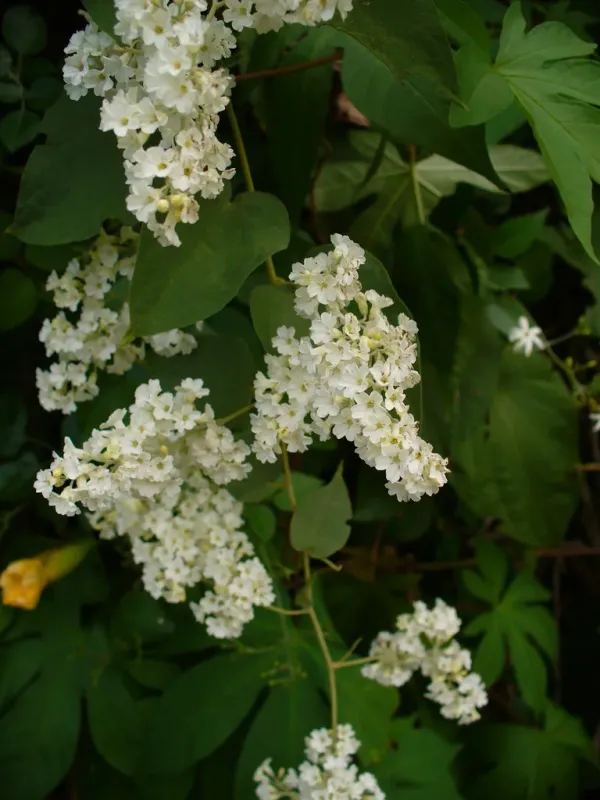
Description
Sowing dates
Poranopsis paniculata, a member of the Convolvulaceae family, is a vigorous woody climber that requires specific preparation to ensure successful germination. Seeds benefit significantly from pre-sowing stratification to break dormancy.
The ideal time for sowing is late February to early March. Using a well-draining, nutrient-rich seed-starting mix, gardeners should maintain a consistent temperature between 20 and 22 degrees Celsius to facilitate uniform seedling emergence.
In regions with milder climates, direct outdoor sowing is possible once the danger of late spring frost has passed and the soil has warmed sufficiently. However, starting seeds in a controlled greenhouse environment is generally recommended for better survival rates.
Once the seedlings have developed two or three true leaves, they should be transplanted into individual containers. This process helps prevent the roots from becoming tangled and encourages the development of a more robust root system before permanent planting.
When selecting a final planting location, keep in mind the plant's aggressive growth habit. Sturdy supports or trellises are essential, as this species acts as a climber and will require a structure to grow vertically throughout the growing season.
Growing requirements
This species thrives in fertile, well-draining soils with a neutral to slightly acidic pH level. It is vital to avoid waterlogged conditions, as poor drainage is the primary cause of root rot in this plant family.
While Poranopsis paniculata can tolerate partial shade, it reaches its full potential—including profuse flowering—when provided with full sun. Exposure to direct sunlight is key to maintaining the plant's vigor and health.
Regular watering is required during the active growth period, particularly in hot, dry conditions. However, the surface of the soil should be allowed to dry slightly between watering sessions to prevent an overly wet environment around the roots.
Being of subtropical origin, the plant is sensitive to frost. In temperate zones, it is often grown as an annual. If overwintering is desired, the plant must be provided with significant cold protection or moved into a sheltered location.
Annual pruning is a necessary maintenance task for this climber. Removing dead or diseased wood at the end of the season stimulates new growth and keeps the plant's form orderly and aesthetically pleasing for the following year.
Yield
The primary use for Poranopsis paniculata is ornamental landscaping. Its ability to create dense, snow-white floral blankets during the flowering period makes it an excellent choice for covering pergolas, fences, and large walls.
In its native range, the plant is recognized for its value as a honey-producing crop. It acts as a significant nectar source, attracting various pollinators and promoting local biodiversity, which is a key advantage for integrated garden systems.
The abundance of flowers can be optimized by applying a balanced fertilizer, specifically one higher in phosphorus and potassium. Such nutrient management encourages more flower bud development and can help extend the plant's decorative season.
Due to its rapid growth rate, the species is highly effective at providing quick shade and cooling effects for patios or outdoor living areas. It is an excellent functional plant for creating temporary green screens in urban and rural gardens.
It is important to manage the plant's spread to prevent it from becoming invasive. Regular trimming and physical management of the vine's reach ensure that it enhances the garden without overwhelming adjacent plantings.
Main diseases and pests
Fungal diseases, particularly powdery mildew, are the most frequent issues, often exacerbated by high humidity and lack of proper air circulation. Pruning the foliage to allow airflow is the most effective preventative measure against these infections.
Pests like aphids and spider mites can infest the undersides of the leaves. Routine inspection and the application of mild, organic-approved insecticides or horticultural oils can help keep these infestations under control before they cause significant damage.
Root rot remains a serious threat if the soil moisture is not managed properly. Ensuring that the planting site has excellent drainage and avoiding excessive irrigation are critical components of a healthy plant management plan.
- Aphids and spider mites.
- Powdery mildew.
- Root rot caused by poor drainage.
- Slugs and snails affecting young growth.
Overall, maintaining healthy, vigorous plants through proper sunlight exposure and balanced nutrition is the best defense against pests and diseases. A well-tended Poranopsis paniculata is naturally resilient and capable of recovering quickly from minor environmental stress.