
Porana volubilis
Porana volubilis
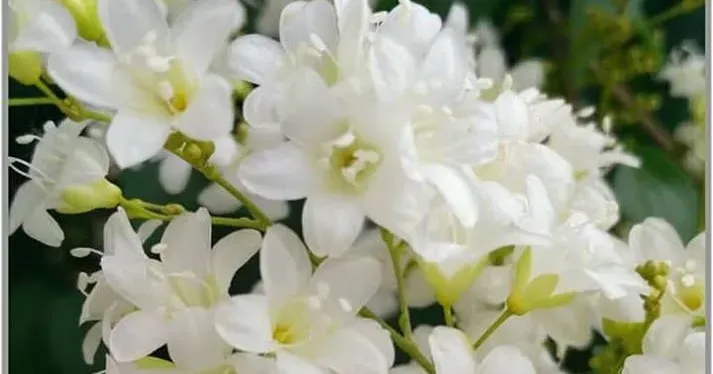
Description
Sowing dates
Porana volubilis is typically propagated by seeds sown in early spring under glass. Seeds require warmth and a well-draining germination mix to succeed.
Maintaining a temperature range of 20 to 25 degrees Celsius is critical for consistent germination rates and healthy seedling development.
Cuttings can also be taken from semi-ripe wood during the active growing season. These should be kept in a high-humidity environment until roots are well established.
Transplanting to the permanent location in the garden must only occur once all danger of frost has passed, as the plant is highly susceptible to cold damage.
Fast-growing vines require sturdy support structures. Planting depth should match the root ball size to ensure immediate stability and nutrient access.
Growing requirements
Belonging to the Convolvulaceae family, this species originates from tropical Asia. It thrives in environments that mimic its natural habitat, emphasizing high heat and light.
The plant performs best in fertile, loamy soils that provide excellent drainage. Standing water can quickly lead to root rot, which is a major limiting factor in cultivation.
A full sun exposure is preferred to trigger the vigorous flowering phase, although partial shade can be tolerated in extremely hot, arid climates.
Regular watering is essential during the vegetative stage. While the plant can withstand short dry spells once established, consistent moisture leads to better growth.
Nutrient requirements include regular applications of balanced NPK fertilizers to support the massive foliage and floral output typical of this species.
Main diseases and pests
Common pests include spider mites, which thrive in dry and warm conditions. Frequent misting or insecticidal treatments are often necessary for control.
Aphids may target tender new growth, causing leaf curling and potential vectoring of viral diseases if not managed early in the season.
Fungal issues, such as powdery mildew, often arise if the vine is grown in areas with poor air circulation or excessive leaf density.
Root rot remains the most common physiological disorder caused by overwatering or poor soil drainage characteristics in the field.
- Monitoring for pest infestations.
- Pruning to improve air circulation.
- Ensuring proper soil drainage.