
Ponerorchis graminifolia
Ponerorchis graminifolia Rchb. f.
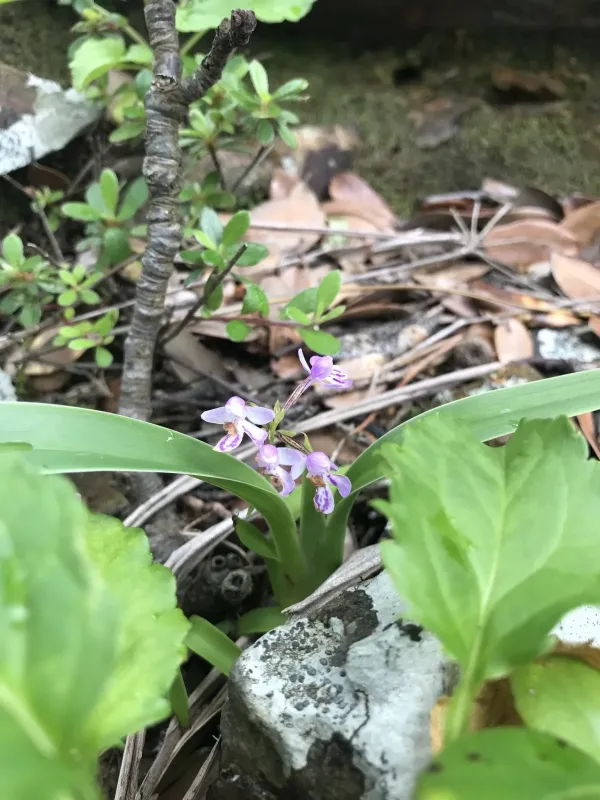
Description
Growing requirements
Ponerorchis graminifolia is a charming perennial herbaceous plant belonging to the Orchidaceae family. Native to East Asian regions, including Japan, Korea, and China, it typically inhabits mountain slopes and moist grassland environments.
The plant grows from small oval-shaped tubers that serve as nutrient reservoirs during its dormant phase. Its narrow, grass-like leaves provide an attractive appearance, making it a desirable specimen even when the plant is not in its blooming stage.
Successful cultivation requires a light, well-draining substrate rich in organic matter. A mixture suitable for orchids, providing adequate aeration and moisture retention without stagnation, is essential for the health of its tuberous root system.
The species prefers bright, filtered light and should be protected from direct, harsh sunlight which can scorch its delicate leaves. It thrives in moderate temperatures and requires a distinct cooling period during dormancy to ensure healthy growth in the following season.
In ornamental horticulture, Ponerorchis graminifolia is highly valued for its elegant inflorescences. Its flowers, ranging from white to deep purple, make it an excellent choice for container gardening, rock gardens, and specialized orchid collections.
Main diseases and pests
Fungal diseases are the primary threat to the health of Ponerorchis graminifolia, particularly when the growing medium remains waterlogged. Root rot can quickly damage the tubers, necessitating the use of fungicides and ensuring high-quality drainage systems.
Spider mites are common pests that thrive in dry conditions and can cause significant leaf damage. Regular monitoring and the application of systemic acaricides are necessary to control populations and prevent the plant from weakening.
Mealybugs are another potential pest that hides in leaf axils, sucking sap and stunting growth. Removing pests manually or using targeted insecticides is an effective way to manage these infestations in a greenhouse or indoor setting.
Viral infections represent a more insidious danger, as they can cause irreversible deformation of leaves and flowers. Because these viruses are often spread via contaminated tools during propagation, strict sanitation protocols must be maintained at all times.
In outdoor environments, tubers may be vulnerable to rodents and soil-dwelling pests. Protecting the planting area with mesh or using dedicated containers is a standard agricultural practice to minimize losses caused by animal interference.