
Ponerorchis cucullata
Ponerorchis cucullata
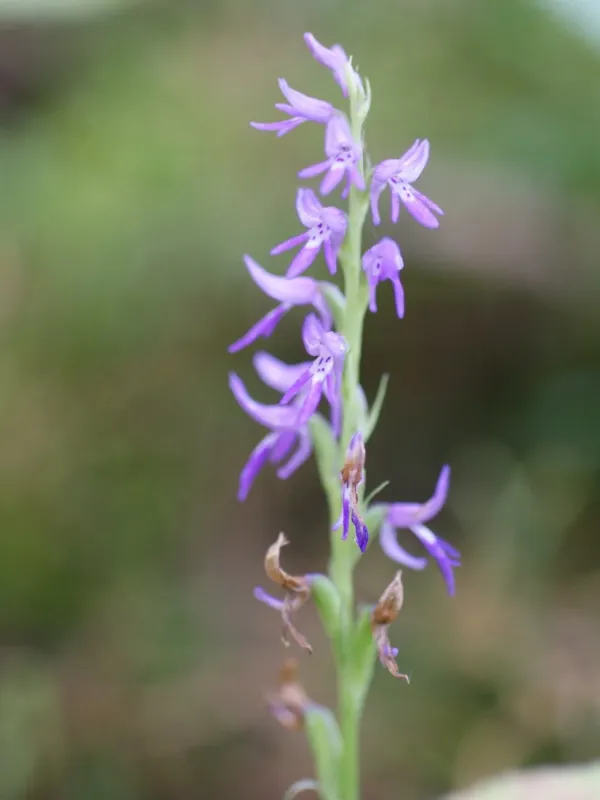
Description
Growing requirements
Ponerorchis cucullata, widely known in botanical literature as Neottianthe cucullata, is a perennial herbaceous plant belonging to the Orchidaceae family. It is distinguished by its unique tuberous roots and a short stem typically adorned with two distinct basal leaves.
The plant originates from the regions of East Asia, including the Far East, Japan, and parts of China. In its natural habitat, it thrives in shaded forest environments and subalpine meadows, where the substrate remains consistently moist and rich in leaf litter.
In a cultivation setting, Ponerorchis cucullata demands a well-draining soil medium, ideally consisting of sphagnum moss, decomposed bark, and volcanic gravel. Proper aeration of the root system is essential to mirror the conditions of its native forest floor.
Environmental requirements focus on stable temperatures and high humidity levels. The species is highly sensitive to direct sunlight and extreme heat, requiring consistent shade and protected growing conditions to prevent leaf scorch and dehydration.
The economic and practical use of this plant is largely restricted to ornamental and conservation efforts. It is rarely found in mass agriculture and is typically preserved in specialized nurseries or botanical gardens, given its status as a rare and protected species.
Main diseases and pests
The primary threat to the health of Ponerorchis cucullata is root rot, which typically occurs due to poor soil drainage or over-watering. Excess moisture in the root zone quickly creates an environment conducive to fungal pathogens.
Pests such as slugs and snails represent a significant danger, as they are attracted to the succulent leaves and developing flower spikes. Protective barriers or organic baiting methods are necessary to mitigate this threat in outdoor or greenhouse cultivation.
Fungal diseases like powdery mildew may arise if the air circulation is poor, especially in environments where humidity is kept high. Ensuring constant airflow around the plants is a key measure to maintain plant vigor.
Sap-sucking insects like aphids can also cause damage to the tender foliage, reducing the plant's ability to photosynthesize effectively. Regular monitoring is recommended to apply gentle pest control solutions at the first sign of infestation.
Additionally, improper storage or drought during the dormant season can result in the loss of the tubers. Maintaining the appropriate environment throughout the entire lifecycle is crucial for the long-term success of the culture.