
Campuloclinium macrocephalum
Campuloclinium macrocephalum (Less.) DC.
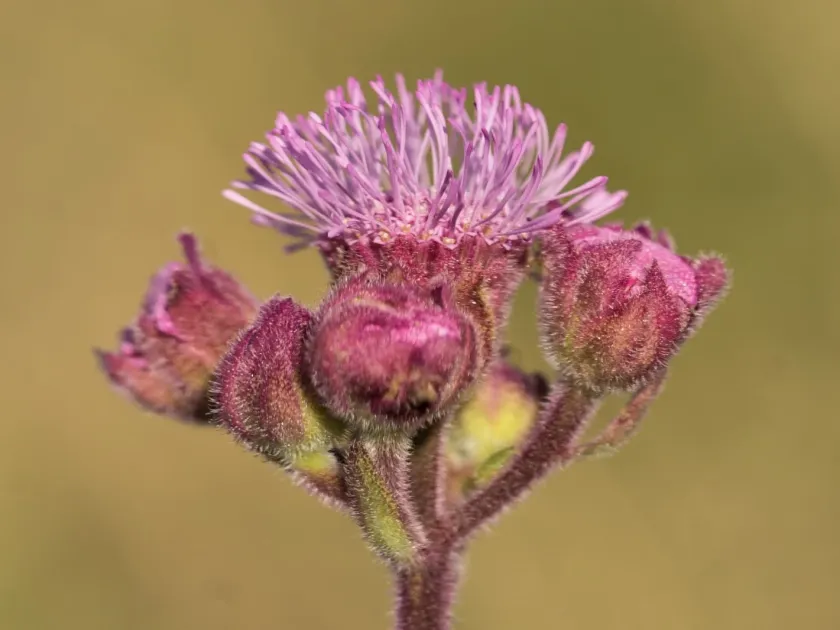
Description
Sowing dates
Propagation of Campuloclinium macrocephalum is primarily achieved through seeds or by division of the rootstock. For seed propagation, it is recommended to start indoors in late winter to ensure well-developed seedlings before spring transplanting.
Seeds require a period of stratification to break dormancy and ensure uniform germination. The starting medium should be light and porous to prevent waterlogging, which is detrimental to tender young roots during the initial growth phase.
Transplanting into the field should occur once the danger of frost has passed and the soil has sufficiently warmed. Providing adequate spacing between plants is crucial to promote good air circulation, which helps reduce the risk of humidity-related issues.
For direct sowing, select a site with loose, well-draining soil and minimal weed competition. Seeds should be sown at a shallow depth and kept consistently moist until emergence occurs, which generally takes a few weeks depending on soil temperature.
Vegetative division is an effective method for maintaining cultivar traits. This procedure is best performed in the early spring, allowing the root systems to establish themselves before the onset of the peak growing season.
Growing requirements
Campuloclinium macrocephalum, a member of the Asteraceae family, is native to South America. It thrives in open, sunny environments where it can receive maximum light exposure, which is essential for its robust development.
The plant performs best in fertile, well-drained loamy or sandy soils. It is adaptable to a variety of pH levels, though it prefers neutral to slightly acidic conditions to optimize nutrient uptake from the soil matrix.
While the species exhibits a degree of drought tolerance once established, consistent moisture is required during the primary growth stages for optimal flowering. Avoid conditions where water accumulates, as the roots are sensitive to rot.
Fertilization with a balanced NPK ratio during the vegetative phase supports vigorous growth and the production of healthy, long-lasting flowers. Avoid excessive nitrogen, which can lead to weak stems and reduced flower quality.
Cultural management should include mulching around the base of the plant to suppress weed growth and retain soil moisture. This practice also helps stabilize soil temperature, protecting the root zone from extreme fluctuations.
Main diseases and pests
Root rot is the most significant threat to the health of this crop, typically triggered by improper drainage or excessive soil moisture. Proper site selection and careful water management are key preventative measures against fungal pathogens.
Common insect pests, including aphids and leaf-eating beetles, may attack the foliage and stems. Monitoring for these pests is essential to prevent infestations that could potentially weaken the plant's structural integrity and aesthetic appeal.
Integrated pest management strategies should be employed to control outbreaks. This includes the use of organic or synthetic pesticides when necessary, combined with regular removal of plant debris that may harbor pests.
Weeds compete for nutrients, water, and space, posing a threat to the overall yield and health of the crop. Regular cultivation between rows is recommended to mitigate the negative impact of weed pressure throughout the growing season.
Proper sanitation practices, such as removing affected plant material, help prevent the spread of diseases. Ensuring proper spacing is another vital component in reducing the prevalence of fungal infections within the crop stand.