
Polemonium grandiflorum
Polemonium grandiflorum
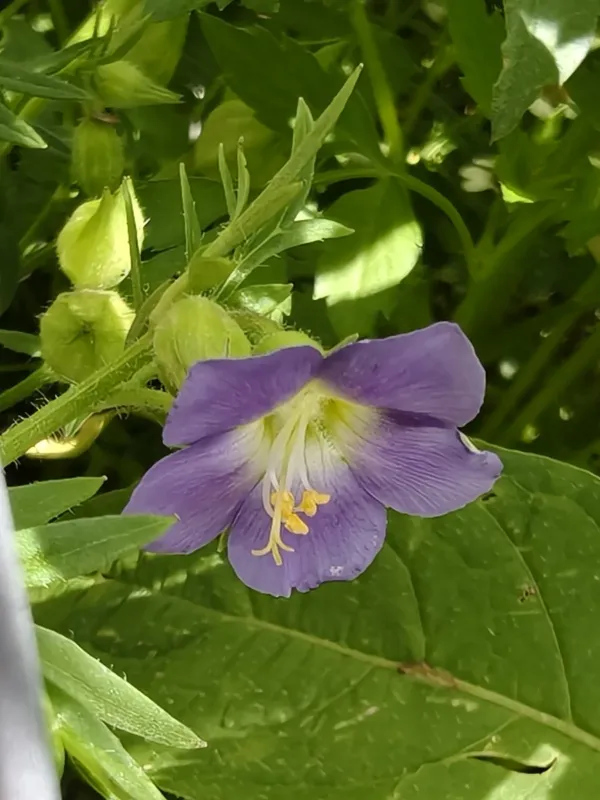
Description
Sowing dates
Polemonium grandiflorum, commonly known as a variety of Jacob's Ladder, belongs to the Polemoniaceae family. It is a perennial herbaceous plant, and its cultivation typically begins with sowing seeds in late autumn to facilitate natural stratification, which is crucial for spring germination.
If spring sowing is planned, seeds must undergo a cold treatment period of at least one month. Because the seeds are very small, they should be sown at a shallow depth of 1–2 centimeters, ensuring the soil remains moist to support the emerging sprouts.
For commercial crop production, spacing between rows should be maintained at 45–60 centimeters. This distance is optimal for mechanized tillage and weed management, allowing for better access for maintenance machinery during the growing season.
The recommended seeding rate is approximately 2–3 kilograms per hectare. After sowing, the soil surface should be rolled to ensure a firm contact between the seeds and the substrate, which is essential for uniform crop establishment.
Seedlings usually emerge within 15 to 20 days. During the first year, the plant focuses on developing a robust basal rosette of leaves, storing energy in its root system, while generative shoots appear in the second year of growth.
Growing requirements
This crop is known for its cold hardiness, making it suitable for temperate climates. It performs best in well-lit areas but can tolerate partial shade, which should be considered when choosing a location for a long-term plantation.
Polemonium grandiflorum thrives in fertile, well-drained loamy soils or rich sandy black soils with a neutral pH. The site must be free from waterlogging, as the roots are sensitive to excess moisture, which can lead to decay.
Adequate water supply is critical for the crop, especially during hot, dry spells. If rainfall is insufficient, supplemental irrigation is necessary to ensure the high concentration of bioactive compounds in the roots remains consistent.
Soil preparation involves applying organic fertilizers like compost before planting. Mineral fertilization should be managed based on soil testing to ensure a balanced supply of nitrogen, phosphorus, and potassium for healthy development.
Consistent weeding and inter-row cultivation are vital for the success of the crop. These practices keep the soil aerated and reduce competition for nutrients, which helps in achieving higher quality raw material yield.
Yield
The primary harvest target for Polemonium grandiflorum is its rhizomes and roots, used extensively in the pharmaceutical industry. The highest yield is typically achieved by harvesting the plants at the end of their second or third year.
Under optimal management practices, the average yield of dry root material can reach 10–15 centners per hectare. Yield consistency depends on plant density and the quality of maintenance provided during the vegetation cycles.
While roots are the main commodity, the aerial part of the plant may also be harvested during the peak flowering season. This part contains specific triterpene saponins that have significant value in herbal medicine.
Maintaining high productivity requires a systematic approach to plantation rotation. It is recommended not to use the same site for more than 4–5 years, as older plants may lose vitality and become more susceptible to pests and diseases.
The processing of harvested material, particularly drying, must be conducted carefully at temperatures not exceeding 60 degrees Celsius. Proper drying techniques ensure the chemical integrity of the active ingredients within the plant.
Main diseases and pests
Fungal infections, such as root rot, pose the greatest threat to Polemonium grandiflorum plantations. These conditions are typically associated with poor soil drainage or excessive irrigation, emphasizing the need for proper site selection.
Soil pests like wireworms and white grubs can cause significant damage to the roots of young plants. Preventive measures, such as deep autumn plowing and consistent crop rotation, are essential to minimize the risk of pest infestation.
Sucking insects, including aphids, can weaken the plants by feeding on the leaves, which makes the crop more susceptible to secondary viral infections. Regular field monitoring is necessary to identify and treat potential outbreaks early.
Weeds are a major competitive threat, particularly in the first year of growth. If not managed properly, weeds can overshadow the young plants, leading to stunted development and reduced overall biomass production.
Prevention remains the most effective strategy. Using high-quality seeds, maintaining balanced soil conditions, and adhering to strict crop rotation intervals can effectively mitigate most threats to the health of the plantation.
Harvesting
The harvest of roots is ideally conducted in the autumn of the second year. This period is chosen because the accumulation of biologically active substances in the root system peaks just before the plant enters winter dormancy.
During the harvest process, the aerial parts are first mowed, and then the roots are lifted from the ground using mechanical diggers. The raw material must be cleaned of soil and debris immediately to maintain its quality.
Washing should be done swiftly in cold running water. It is important to avoid soaking the roots for too long, as this causes the leaching of valuable saponins, thereby significantly reducing the medicinal value of the final product.
Once washed, the roots are spread out in a thin layer in well-ventilated areas or specialized dryers. Gradual moisture removal is essential to prevent mold and ensure the longevity of the finished dried material.
The final dried product is packed into clean, breathable bags and stored in dry, cool, and dark conditions. Proper storage prevents degradation and ensures that the medicinal properties are preserved for the end consumer.