
Poissonia hypoleuca
Poissonia hypoleuca
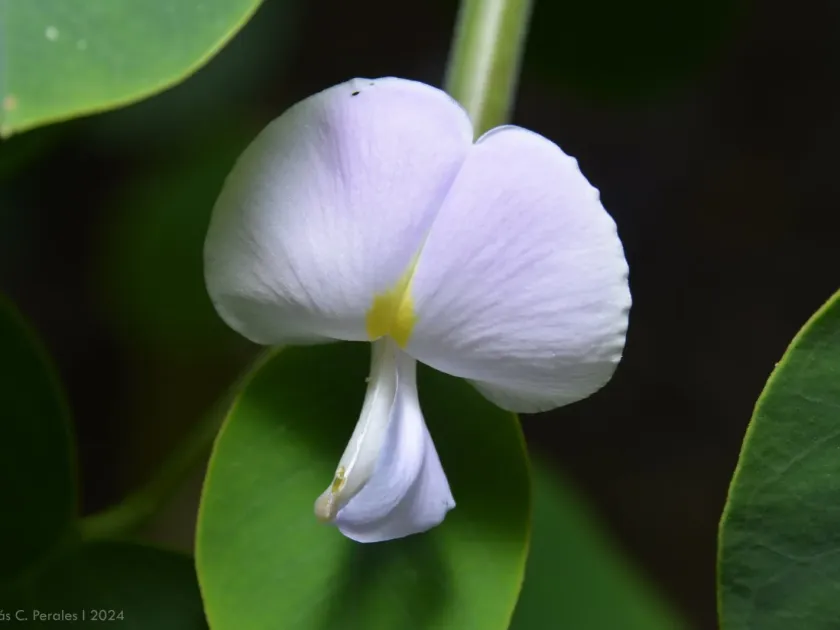
Description
Growing requirements
Poissonia hypoleuca is a distinct woody plant belonging to the Fabaceae family, native to specific regions of Southern Africa. Understanding its biological requirements is essential for anyone attempting to cultivate this rare species in an agricultural context.
The plant thrives in well-draining soils with a neutral pH, as it is particularly sensitive to waterlogging. Adequate soil aeration is crucial to prevent root rot and ensure that the plant develops a robust, healthy root architecture capable of supporting its growth.
Climate plays a major role in the success of Poissonia hypoleuca. It demands significant sunlight exposure throughout the day, preferring warm, stable temperatures. It does not tolerate frost, making greenhouse cultivation necessary in colder climates.
Regular but controlled irrigation is required to maintain the soil moisture levels without reaching saturation. Consistent monitoring of environmental factors, such as humidity and airflow, helps mitigate the risks posed by fluctuating weather patterns.
Soil nutrient management should be handled carefully, as excessive synthetic fertilizers can sometimes be detrimental. Instead, incorporating organic matter into the soil is recommended to improve structure and provide long-term benefits to the plant's metabolism.
Harvesting
The agricultural usage of Poissonia hypoleuca is largely based on local practices and the specific physical properties of its wood. In its native habitats, it serves as a valuable resource for small-scale woodcraft and structural applications.
Harvesting the pods or seeds requires waiting for the natural senescence of the fruit on the tree. This ensures that the seeds have reached physiological maturity, which is critical for successful propagation or commercial distribution of the plant material.
Post-harvest handling is vital, especially when dealing with woody material. Drying processes must be gradual to ensure the wood retains its integrity and is protected from the internal stresses that typically lead to warping or cracking.
Storage of the harvested seeds should occur in cool, dry conditions away from pests. Maintaining the viability of seeds requires strict temperature controls and the exclusion of moisture, which could trigger premature germination or fungal growth.
Continuous observation during the harvest cycle allows for the selection of the best specimens for reproduction. By prioritizing healthy, vigorous trees for seed production, growers can improve the overall genetic quality of their plant populations over several generations.