
Poikilospermum suaveolens
Poikilospermum suaveolens
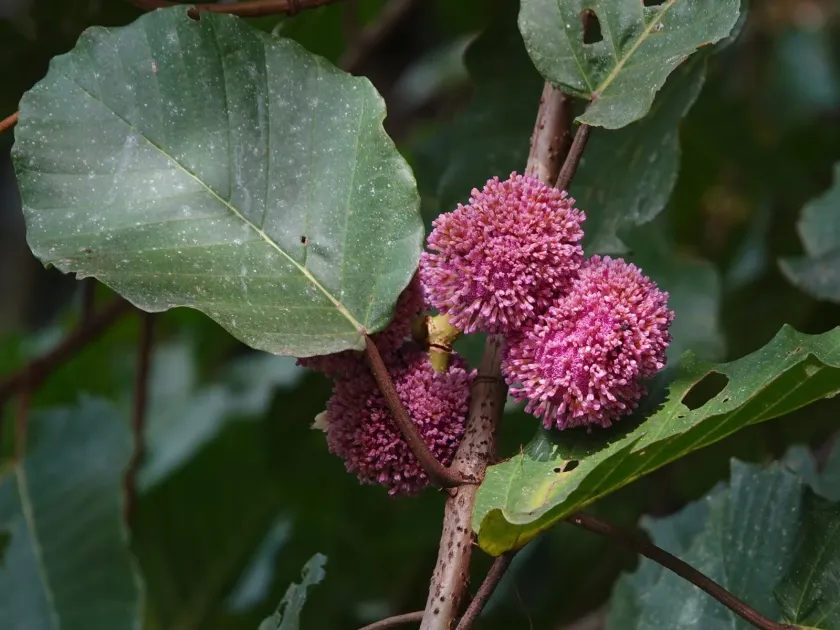
Description
Growing requirements
Poikilospermum suaveolens is a tropical plant belonging to the Urticaceae family. It is natively found in the rainforests of Southeast Asia, characterized by its climbing habit and high biological activity of its leaf components.
The plant requires a high-humidity environment and stable warm temperatures. It thrives in conditions ranging from 22 to 28 degrees Celsius, which are typical for its natural tropical habitat. It is highly sensitive to cold drafts and extreme fluctuations in temperature.
Agricultural success depends on high-quality, well-draining soil. An ideal substrate for this culture should be composed of fibrous materials like coconut husk or bark, ensuring maximum oxygen flow to the root system while maintaining constant moisture.
Light management is crucial, as the plant prefers bright, diffused sunlight. Direct exposure during midday should be avoided, as it can cause chlorophyll degradation and necrosis on the leaves, which hinders biomass production.
Economically, this plant is primarily valued for its pharmacological potential. Research indicates the presence of various alkaloids and antioxidants, making it a subject of interest for both traditional medicine practitioners and the modern cosmetic industry.
Main diseases and pests
Spider mites are the most common pests in indoor or greenhouse cultivation, especially when the air is too dry. These pests can rapidly colonize the undersides of the leaves, necessitating prompt identification and biological control measures.
Root rot is the most significant pathological threat to the crop. It occurs primarily due to waterlogged substrate and insufficient drainage systems. Symptoms include yellowing of leaves and gradual wilting of the main stems, often leading to plant collapse.
Mealybugs can also infest the stems and junctions of the leaves, secreting honeydew that fosters sooty mold development. Regular inspection and targeted treatment with horticultural oils or soaps are essential for effective management.
To maintain plant health, it is vital to practice proper spacing to ensure adequate air circulation around the canopy. This practice effectively reduces the risk of fungal infections such as powdery mildew, which can spread quickly in stagnant air.
General hygiene, including the removal of fallen leaf litter and the use of sterile pruning tools, significantly minimizes the spread of pathogens. Consistent monitoring and preventive care are cornerstones of sustainable production for this species.