
Poga oleosa
Poga oleosa
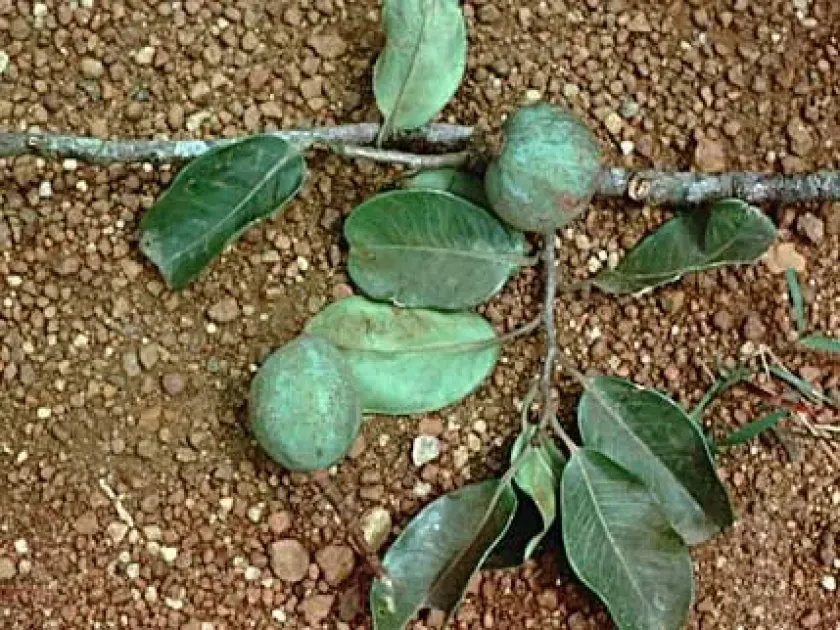
Description
Growing requirements
Poga oleosa is a tropical tree species belonging to the Annonaceae family, native to the rainforests of West and Central Africa. It is highly adapted to equatorial climates characterized by high temperatures and significant annual rainfall.
The cultivation of this species requires deep, fertile, and well-drained soils rich in organic matter. Unlike many commercial crops, it thrives in environments that mimic its natural habitat, requiring protection from direct, harsh winds and exposure.
Botanically, the tree is recognized for its thick, leathery leaves and substantial crown, which plays a vital role in capturing sunlight within the forest structure. The species exhibits a slow to moderate growth rate depending on soil nutrient availability.
The primary economic interest lies in the oil-rich seeds, which are highly valued locally for their nutritional properties. These seeds are harvested to extract fats used for both cooking and traditional cosmetic applications.
Agronomic management of Poga oleosa remains at an experimental stage. To ensure successful yields, spacing must account for the tree's natural width, and soil moisture must be managed to prevent waterlogging while ensuring consistency.
Main diseases and pests
Like many species within the Annonaceae family, Poga oleosa is susceptible to various fungal pathogens that flourish in humid, tropical environments. Leaf spots and root decay are significant risks in poorly managed environments.
Insect pests represent a recurring challenge, particularly those that target maturing fruit. These pests can significantly reduce the quantity of harvestable seeds and negatively impact the quality of the derived oil.
Deforestation and habitat fragmentation are the most critical threats to the species' long-term survival. The loss of forest cover forces these trees into sub-optimal conditions, increasing their susceptibility to external stressors.
Biological control strategies are generally preferred for tropical species to maintain ecosystem balance. However, the lack of extensive research means that specific management protocols for Poga oleosa are still being developed.
Effective management requires regular inspection of the canopy and fruit clusters to detect early signs of infestation. Integrated pest management (IPM) practices are essential to protect these valuable oil-bearing trees from widespread damage.