
Podophyllum aurantiocaule
Podophyllum aurantiocaule
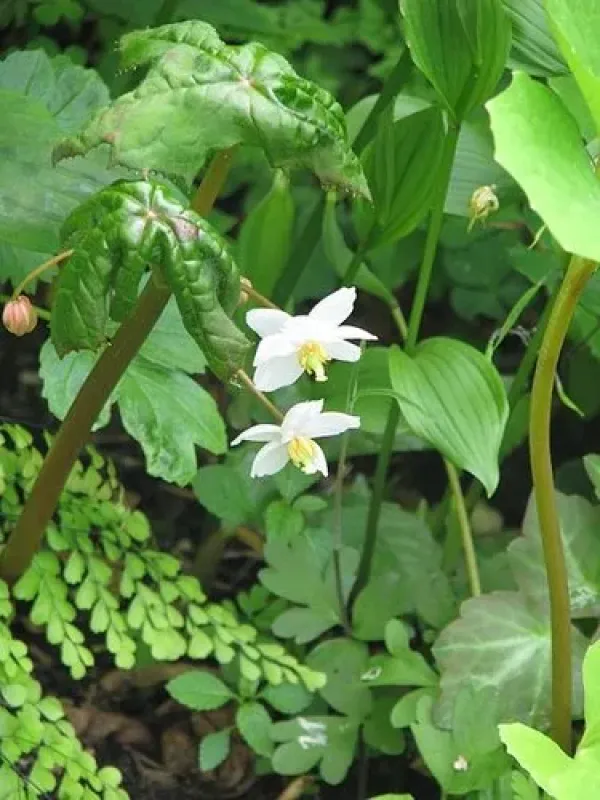
Description
Sowing dates
Propagation of Podophyllum aurantiocaule is most effectively achieved through rhizome division. The best time for this procedure is during the dormant phase, typically in early spring just before growth starts or in late autumn as the foliage dies back.
Seed propagation is possible but requires careful preparation. Seeds should be sown immediately after harvest or subjected to a cold stratification period of at least two to three months to break dormancy and trigger germination.
When planting rhizome segments, ensure each section has at least one active growth bud. Plant them at a depth of 5–10 centimeters in moist, well-prepared soil to encourage rapid establishment of the root system.
Spacing should be managed to allow for natural spread, as the plant grows through creeping rhizomes. A distance of 40 centimeters between plants is generally recommended for nursery or production beds.
Early maintenance involves keeping the soil consistently moist but not waterlogged. Mulching immediately after planting helps to maintain soil moisture and protects the delicate buds from extreme surface temperature fluctuations.
Growing requirements
As a member of the Berberidaceae family native to the Himalayan region, Podophyllum aurantiocaule thrives in cool, shaded environments. It naturally inhabits forest understories, making it highly suitable for woodland gardens.
The plant demands rich, loamy soil with a high content of organic matter. A soil pH ranging from slightly acidic to neutral is ideal. Incorporating leaf mold or well-rotted compost into the planting area significantly improves growth vigor.
Shade is a critical requirement for this species. Prolonged exposure to direct sunlight, especially in the afternoon, can cause leaf scorch and dehydration. Providing dappled light is the best way to ensure healthy development.
Adequate hydration is essential, especially during the summer months. The plant cannot tolerate drought, but it is equally sensitive to waterlogging, which promotes fungal infections and root rot.
In regions with harsh winters, a protective layer of mulch or leaves is beneficial. This insulation prevents the soil from freezing too deeply and protects the rhizomes, which are sensitive to extreme cold when the ground is not protected by snow cover.
Harvesting
The primary utility of Podophyllum aurantiocaule lies in its medicinal properties, specifically the podophyllotoxin content found in the rhizomes. Harvesting is focused on these underground parts once the plant is mature.
Harvesting should only occur when the plant is at least 3–4 years old to ensure a sufficient concentration of bioactive compounds. The optimal time for excavation is late autumn, once the aerial parts have withered.
The harvesting process involves carefully digging up the rhizomes, rinsing them thoroughly to remove all dirt and debris. Any damaged or decayed portions should be trimmed away immediately to ensure the quality of the raw material.
Drying is a critical step in processing. The cleaned rhizomes are typically sliced or chopped and dried at temperatures not exceeding 50 degrees Celsius to prevent the degradation of heat-sensitive chemical constituents.
Once dried, the raw material must be stored in a cool, dry, and dark environment to maintain its potency. Proper storage prevents moisture absorption and mold growth, which can render the harvest useless for pharmaceutical applications.