
Platylophus trifoliatus
Platylophus trifoliatus
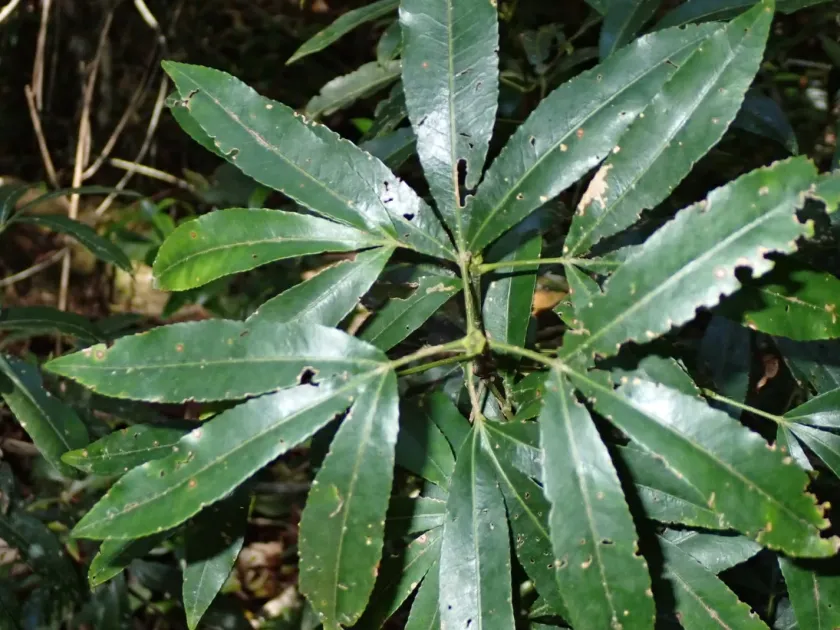
Description
Growing requirements
Platylophus trifoliatus, commonly known as the white alder in its native range, belongs to the Cunoniaceae family. It is an evergreen tree indigenous to the forest regions of South Africa, typically found thriving near streams and in damp, humid environments.
To successfully cultivate this species, growers must provide a climate that mimics its native habitat. It thrives best in subtropical regions where humidity is consistently high and temperature fluctuations are relatively minimal throughout the year.
The soil requirements for Platylophus trifoliatus include a well-draining, nutrient-rich medium. It prefers slightly acidic to neutral soils that retain sufficient moisture without becoming waterlogged, which is crucial for preventing root rot.
Agricultural management requires careful attention to irrigation, especially during the establishment phase. Young trees need consistent watering to prevent desiccation, while mature specimens benefit from deep, periodic watering during dry spells.
Botanically, the species is defined by its characteristic trifoliate leaves and its habit of growing into a robust tree. It is highly valued for its dense foliage, which contributes to its potential use in forest restoration projects and ornamental landscape planning.
Harvesting
The primary economic use of this plant is its wood, which is known for its durability and fine grain. Harvesting is typically conducted in managed silvicultural systems where sustainability and long-term timber quality are prioritized.
Seed collection for propagation is performed when the capsules turn brown and begin to split. Collectors must ensure the seeds are gathered in optimal conditions to maximize viability for subsequent nursery sowing and seedling production.