
Placodiscus cuneatus
Placodiscus cuneatus
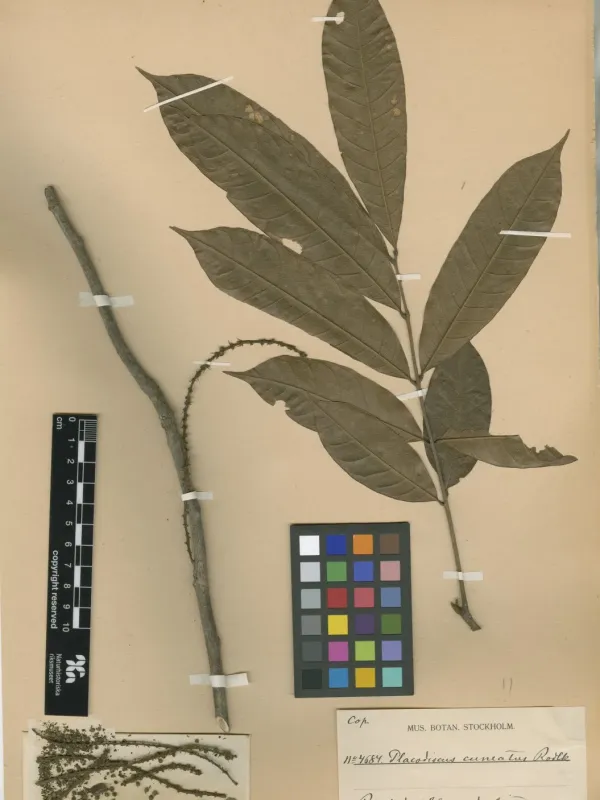
Description
Growing requirements
Placodiscus cuneatus is a species of flowering plant within the Sapindaceae family. This family is well-regarded for its wide diversity of tropical trees, many of which provide valuable ecological services and forest products in their native habitats.
Originating from the tropical forests of West Africa, this species is naturally adapted to high-canopy environments. It thrives in regions with consistent rainfall, making it a key component of the local forest structure where it competes for light and nutrients.
The botanical profile of the tree includes distinct cuneate-shaped leaves and a sturdy woody structure. The plant utilizes its foliage to maximize photosynthesis in the low-light conditions typically found beneath the dense tropical canopy.
Regarding climatic needs, Placodiscus cuneatus requires a warm, humid environment. It cannot tolerate cold snaps or frost, as its physiological mechanisms are evolved for constant, high temperatures and minimal seasonal variation.
The soil requirements involve well-draining, nutrient-rich substrates that mimic the leaf-littered floor of its native habitat. Proper moisture management is essential to prevent soil compaction and ensure that the root zone remains oxygenated, preventing fungal development.
Main diseases and pests
The main threats to this tree include pathogens that thrive in humid climates, such as leaf-spotting fungi and wood-decay organisms. These can significantly impact the health and lifespan of the trees if environmental conditions allow for rapid spore transmission.
Pests, particularly wood-boring insects and leaf-miners, represent a challenge for cultivators. Maintaining a diverse ecosystem around the plantation and ensuring the trees are not under nutritional stress are the primary methods for natural pest management.