
Pinus tecunumanii
Pinus tecunumanii Eguiluz & J. P. Perry
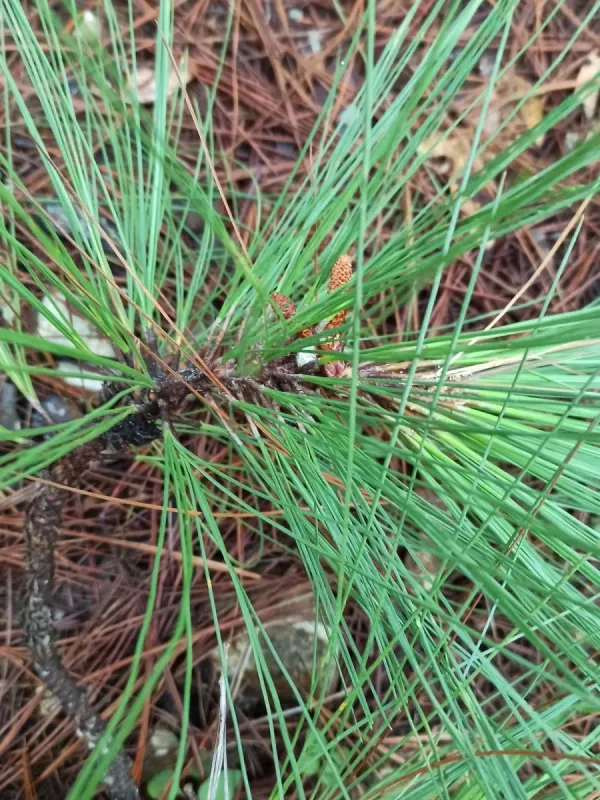
Description
Sowing dates
Sowing seeds of Pinus tecunumanii in nurseries is typically conducted at the beginning of the spring season when soil temperatures stabilize above 15 degrees Celsius. It is essential to use high-quality seed material that has undergone stratification to improve germination vigor.
The optimal sowing depth is between 0.5 and 1 centimeter. Using a substrate based on peat and perlite ensures necessary moisture permeability and aeration, which is critical during the early stages of seedling development.
In commercial forestry, seedling cultivation is practiced in containers under a controlled microclimate. This protects young plants from extreme temperature fluctuations and ensures even root system development before field transplantation.
Transplanting timelines into open ground depend on the climatic zone; however, it is preferable to transplant during the rainy season or cooler months. This minimizes plant stress and promotes successful establishment in the permanent location.
Planting density is calculated based on the objectives, commonly using a 3x3 meter pattern to ensure optimal nutrition space. Regular irrigation during the first year of life is a mandatory condition for forming a strong stand.
Growing requirements
Pinus tecunumanii belongs to the Pinaceae family and is native to the mountainous regions of Central America, growing at altitudes between 1500 and 2800 meters. The species prefers a moderately humid climate with a distinct division between dry and rainy seasons.
The crop has moderate soil requirements, though it shows the best growth indicators in deep, well-drained loamy soils. The plant does not tolerate waterlogging in the root zone, so it is important to avoid low-lying areas when selecting a planting site.
The temperature range for growth is quite broad, but optimal conditions are considered average annual temperatures between 15 and 22 degrees. The tree can withstand short-term frosts, but it is sensitive to strong winds when young.
For intensive growth, the pine requires good sunlight. In shaded conditions, lateral shoot development slows down, negatively affecting future trunk quality, making thinning a necessary operation for plantation management.
An important factor is the soil pH level; slightly acidic and neutral soils are most preferable for this species. Applying mineral fertilizers containing nitrogen and phosphorus during the active growth stage significantly increases annual biomass increment.
Yield
Pinus tecunumanii is renowned as one of the fastest-growing coniferous species in the tropical and subtropical belts. With proper care, the annual wood increment can reach 20–25 cubic meters per hectare of plantation.
The full cycle until reaching commercial maturity typically lasts between 20 and 30 years. Yield depends on the genetic quality of seeds and compliance with agronomic protocols, including regular thinning operations.
The wood of this pine possesses excellent physical and mechanical properties, making it a valuable raw material for the construction industry. It is used as a structural material and for the production of high-quality pulp.
The assessment of potential yield is conducted through regular monitoring of trunk diameter and tree height in sampling plots. Statistical data confirm high economic profitability of the crop under intensive cultivation technologies.
In addition to timber, plantations can generate income from secondary use, such as needle collection or seeds for selection purposes. High planting density allows for the most efficient use of land resources in forestry.
Main diseases and pests
The main danger for young plantations is fungal diseases that develop in high humidity. Among these, species causing root rot and needle blight are the most common.
Pests, particularly bark beetles and sawflies, can cause significant damage to adult trees, especially during periods of severe drought. Timely sanitary control and removal of affected trees help localize outbreak areas.
- Infection with rust fungi
- Invasions of leaf-eating caterpillars
- Damage by root rots
- Trunk deformation due to windthrow
Integrated pest management systems, including biological methods and targeted insecticide use, are applied on a commercial scale. This minimizes the environmental impact of crop protection measures.
Climatic risks, such as extreme tropical storms, can cause mechanical damage to the stand. Selecting resistant clones is a modern strategy for reducing biological threats to this species.