
Taiwan red pine
Pinus taiwanensis Hayata
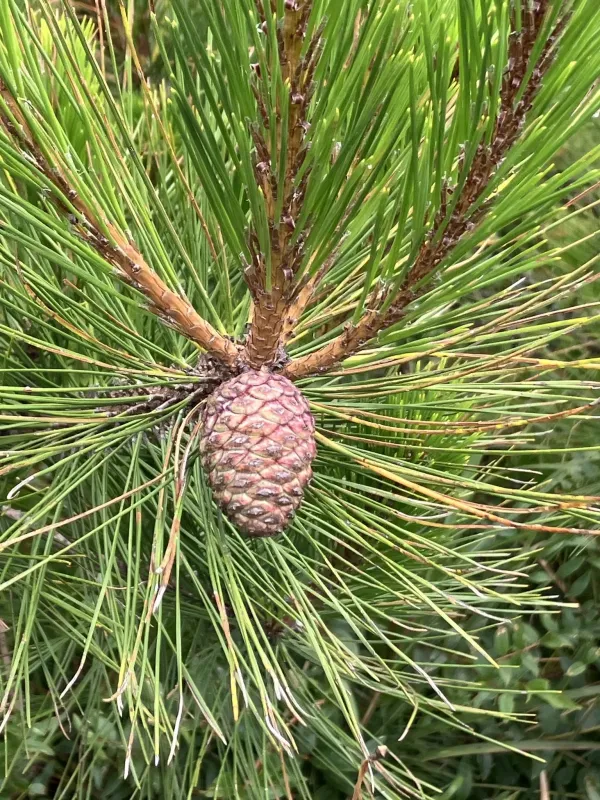
Description
Growing requirements
The Taiwan red pine (Pinus taiwanensis) is a member of the Pinaceae family. It is an evergreen coniferous species native to the mountainous regions of Taiwan, thriving at altitudes ranging from 700 to 3000 meters above sea level.
This species is highly adaptable to challenging alpine environments. It typically grows in well-drained, stony, or loamy soils, developing a deep root system that anchors the tree firmly against the steep slopes of its natural habitat.
The Taiwan red pine is a heliophilous species, requiring abundant direct sunlight for optimal growth. It is intolerant of dense shade, which must be carefully managed in any forestry plantation or landscape development project.
Botanically, the tree reaches impressive heights of 30 to 50 meters. The needles, arranged in fascicles of two, are robust and deep green, allowing the tree to maximize photosynthetic efficiency in high-altitude environments characterized by frequent mist and fog.
Economically, Pinus taiwanensis is highly regarded in forestry for its durable and decay-resistant timber. It serves as a vital component for reforestation efforts in its native range, helping to prevent soil erosion in steep, degraded terrains.
Main diseases and pests
Fungal pathogens represent the primary biological threat to Taiwan red pine populations, particularly under conditions of high humidity which facilitate the spread of needle rusts and root rot diseases.
Various insect pests, including bark beetles and defoliating caterpillars, pose a significant risk to young stands. Regular monitoring programs are essential to detect and mitigate infestations before they spread to mature trees.
Fire is a critical hazard for this species, given the flammability of coniferous resin. Proper firebreak management is a standard requirement for maintaining healthy forests of this species in vulnerable areas.
Climate change impacts, such as prolonged drought or irregular precipitation patterns, create physiological stress that lowers the tree's natural defense mechanisms against secondary pests and diseases.
Integrated forest management strategies involve thinning overcrowded stands to promote air circulation and the selection of genetically resistant planting stock to ensure the long-term viability of the plantations.