
Ponderosa pine
Pinus ponderosa P. Lawson & C. Lawson
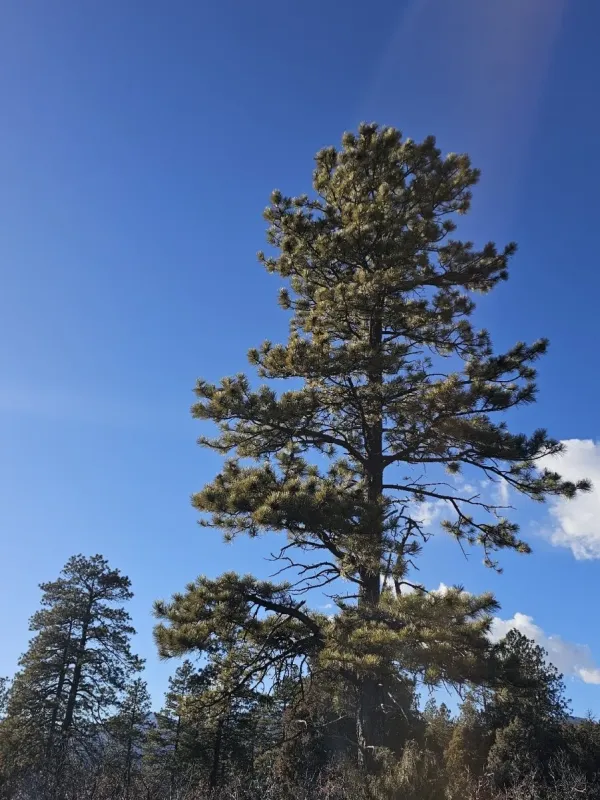
Description
Sowing dates
The seeds of Ponderosa pine require a cold stratification period of 30 to 60 days at temperatures between 3°C and 5°C before sowing in the spring.
Sowing should be performed in well-prepared seedbeds, covering seeds with approximately 1-2 cm of sandy soil or specialized nursery substrate.
Optimal spacing in nurseries is essential to prevent overcrowding, which can lead to fungal infections during the sensitive seedling stage.
Consistent moisture levels during the germination phase are critical for successful stand establishment in the first few weeks.
Seedlings are typically kept in the nursery for two years before being outplanted to their permanent site during the dormant season.
Growing requirements
Ponderosa pine belongs to the Pinaceae family and is recognized as one of the most important timber-producing species in North America.
This species thrives in full sun and requires well-drained, deep soils to support its deep taproot system, which contributes to its wind firmness.
It exhibits remarkable drought tolerance once established, making it suitable for regions with limited rainfall and dry summers.
Soil pH preference ranges from slightly acidic to neutral, avoiding highly alkaline or waterlogged ground where root development is hindered.
It prefers climates with cold winters and relatively dry summers, although it is adaptable to various temperate conditions provided there is adequate light.
Main diseases and pests
The Western pine beetle is the most significant insect threat, often targeting stressed trees and causing widespread mortality in dense stands.
Dwarf mistletoe is a parasitic plant that frequently infects Ponderosa pines, reducing growth rates and overall timber quality over time.
Needle cast diseases, caused by various fungi, can lead to premature needle drop, especially during seasons with high humidity and rainfall.
- Western pine beetle (Dendroctonus brevicomis)
- Dwarf mistletoe (Arceuthobium campylopodum)
- Armillaria root disease
- Needle cast fungi
Effective management includes maintaining appropriate stand density to reduce competition and promote tree vigor, which helps naturally resist pests.