
Dalmatian black pine
Pinus nigra J. F. Arnold subsp. dalmatica (Vis.) Franco
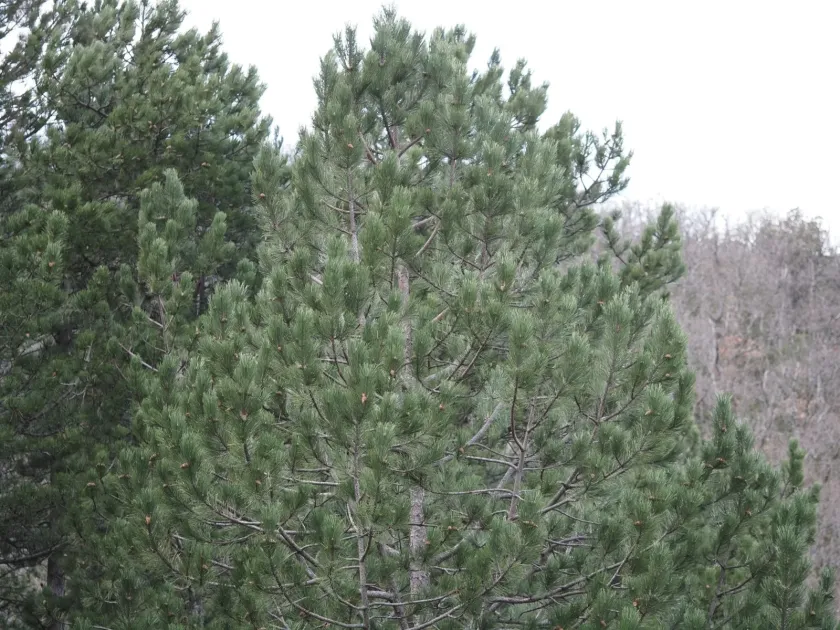
Description
Growing requirements
The Dalmatian black pine (Pinus nigra subsp. dalmatica) is a member of the Pinaceae family. It is a rare subspecies native to the Adriatic coast, specifically in Croatia, known for its extreme resilience to harsh coastal environments.
This species thrives in limestone-based soils and rocky terrain, demonstrating an exceptional ability to extract nutrients from poor, stony substrates. It is highly valued for its drought resistance and stability in windy locations.
Regarding light conditions, the Dalmatian black pine is strictly photophilous. It requires full sun exposure to maintain its dense, dark green canopy and robust growth rate, especially during the juvenile stage.
Soil requirements focus on excellent drainage. Waterlogging is detrimental to the root system, so sandy or gravelly soils are preferred. The species is well-adapted to alkaline conditions, making it suitable for areas where other pines might struggle.
Agrotechnical practices include minimal fertilization once the trees are established, as excessive nitrogen can lead to succulent growth that is more susceptible to winter frost and mechanical damage.
Main diseases and pests
The primary threats include fungal diseases such as needle cast and Sphaeropsis blight. These pathogens typically thrive in humid conditions and can cause significant foliage loss if not managed with timely fungicide applications.
Insect pests include the pine processionary moth, which is a major threat in Mediterranean regions. Its larvae feed on the needles, causing defoliation and severe stress to the tree structure.
Bark beetles represent a significant risk, particularly during periods of environmental stress. Maintaining overall tree health through proper site selection and spacing is the best biological defense against these borers.
Management of these threats involves routine health monitoring and the removal of heavily infested plant materials. Sanitation is critical to prevent the spread of spores and insects to neighboring healthy specimens.
In nursery settings, it is essential to monitor soil moisture levels closely, as stagnant water increases the risk of root rot pathogens, which often serve as an entry point for secondary infestations.