
Black pine
Pinus nigra J. F. Arnold
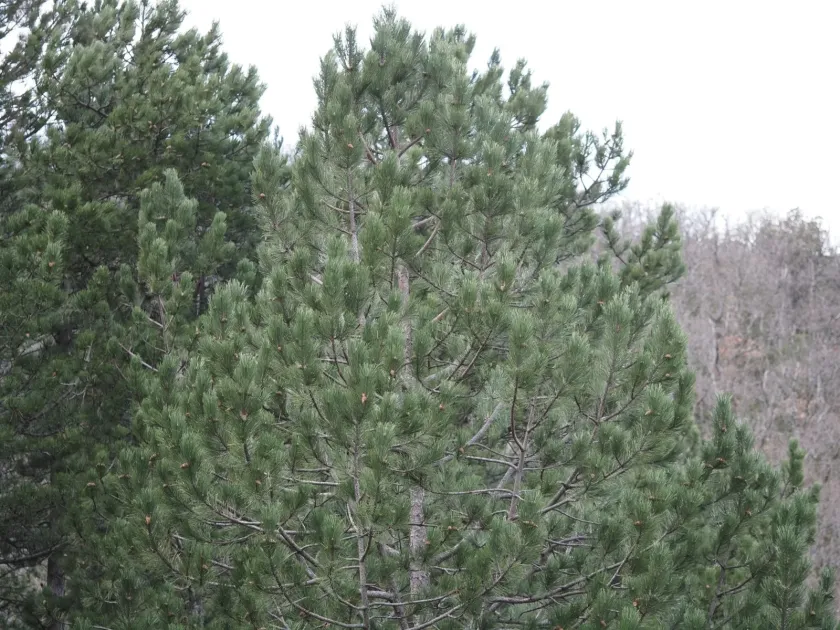
Description
Growing requirements
Black pine (Pinus nigra) is a prominent conifer of the Pinaceae family, recognized for its exceptional resilience and adaptability to urban environments. Originating from the mountainous regions of Southern and Central Europe, this species thrives in diverse climates.
The species is strictly heliophilous, requiring full exposure to sunlight for optimal development. In shady conditions, the lower branches tend to die back, which often leads to a sparse and unattractive appearance of the tree canopy.
It demonstrates remarkable tolerance to various soil types, including limestone-rich soils where many other conifers struggle. It prefers well-drained loamy or sandy substrates but shows significant plasticity regarding soil nutrient levels and pH balance.
Black pine is noted for its high cold hardiness and resistance to strong, drying winds. Due to these attributes, it is widely utilized for creating shelterbelts and windbreaks in exposed areas, effectively protecting agricultural land from erosion.
This tree is highly resistant to air pollution and salt spray, making it a preferred choice for landscaping along industrial corridors and urban roadsides. It maintains its aesthetic appeal throughout the year, featuring dark green, rigid needles.
Yield
The economic value of Black pine is primarily derived from its timber, which is robust, durable, and rich in resin. It serves as high-quality lumber for construction, woodworking, and the production of naval stores.
In forestry, the species is valued for its rapid growth rate during its juvenile years, enabling efficient biomass production. It is a key component of reforestation projects, especially in degraded areas that require hardy pioneer species.
The ornamental nursery market actively demands Black pine for landscape design. It is frequently employed in park layouts, large garden settings, and as a specimen tree due to its structural elegance and low maintenance requirements.
Environmental services provided by this species include effective carbon sequestration and the improvement of local air quality through the release of beneficial phytoncides. These compounds have proven anti-microbial effects in the surrounding atmosphere.
The root system of the Black pine is effective at stabilizing slopes and preventing soil erosion. This function is vital for land reclamation projects and for maintaining the integrity of soil structures in undulating terrains.
Main diseases and pests
Fungal pathogens represent the most significant threat to Black pine populations. Diseases such as Lophodermium needle cast and Diplodia tip blight can cause substantial needle drop and stunted growth, particularly in young or stressed trees.
Pests including pine sawflies and bark beetles pose a persistent threat to the health of the trees. Early detection through regular monitoring and the implementation of integrated pest management are crucial to prevent widespread infestations.
Root rot, particularly caused by Heterobasidion annosum, can occur in poorly drained sites with high moisture retention. Maintaining appropriate soil drainage and avoiding mechanical damage to roots is essential for long-term health.
During extended periods of drought, trees become significantly more susceptible to opportunistic pest attacks. Proper moisture management and selective thinning in dense stands can help maintain tree vigor and resistance against these threats.
Preventive maintenance, including regular sanitary pruning and the application of suitable fungicides, helps to minimize the risk of disease spread. Providing adequate space between trees ensures sufficient airflow, further reducing the vulnerability of the plantation.