
Western white pine
Pinus monticola Douglas ex D. Don
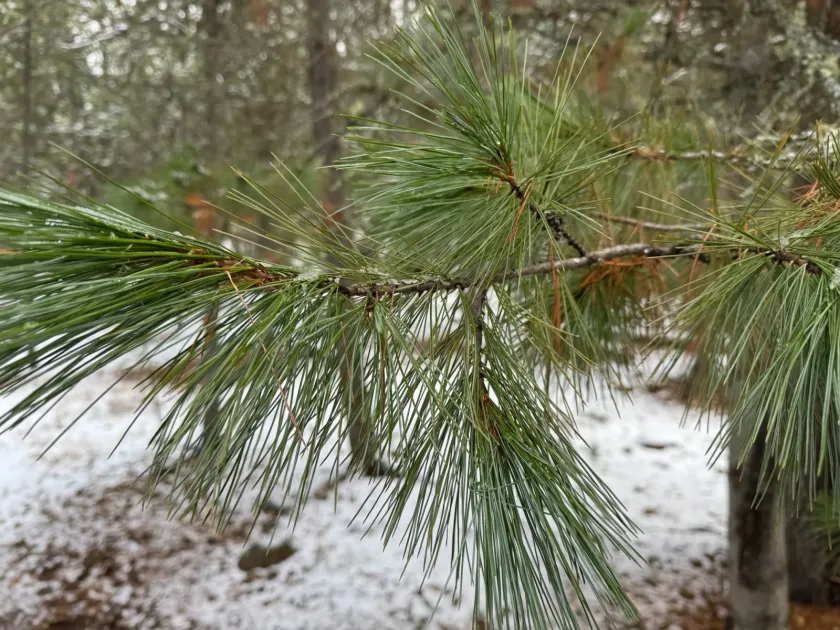
Description
Sowing dates
Seeds of the Western white pine require a cold stratification process lasting at least 60 to 90 days at temperatures between 1 and 5 degrees Celsius before sowing.
Direct sowing in nurseries should take place in early spring once the threat of heavy frost has passed and the soil begins to warm up.
It is crucial to maintain a consistent moisture level in the seedbed, as drying out during germination can significantly decrease the viability of the seeds.
When transplanting seedlings, care must be taken to preserve the integrity of the root ball, as this species is sensitive to root disturbance.
In nursery environments, partial shade is recommended for first-year seedlings to protect them from high solar radiation and potential heat stress.
Growing requirements
Pinus monticola is a member of the Pinaceae family, native to the mountain ranges of the Pacific Northwest and the Sierra Nevada of North America.
This species thrives best in well-drained, fertile, deep soils, and it is known for its ability to grow in various mountainous terrains up to high altitudes.
It prefers cooler climates with moderate to high humidity levels and shows great adaptation to heavy snow loads due to its flexible branches.
While tolerant of various soil types, it performs best in slightly acidic soils and avoids heavy clay substrates that may lead to root rot.
The Western white pine is relatively shade-tolerant in its early stages of development, which allows it to naturally regenerate under a forest canopy.
Main diseases and pests
The most devastating threat to Pinus monticola is White Pine Blister Rust, a fungal disease caused by Cronartium ribicola that can kill mature trees.
Management strategies focus on removing alternate hosts, specifically Ribes species, within the vicinity of pine stands to break the disease life cycle.
Bark beetles, particularly the mountain pine beetle, present a recurring risk, often targeting trees already stressed by drought or environmental changes.
Needle cast diseases can occur in regions with excessive moisture, causing needle drop and reduction in annual tree growth increments.
Integrated pest management, including chemical treatments and selective harvesting of infected individuals, is essential for maintaining healthy tree stands.