
Korean pine
Pinus koraiensis Siebold & Zucc.
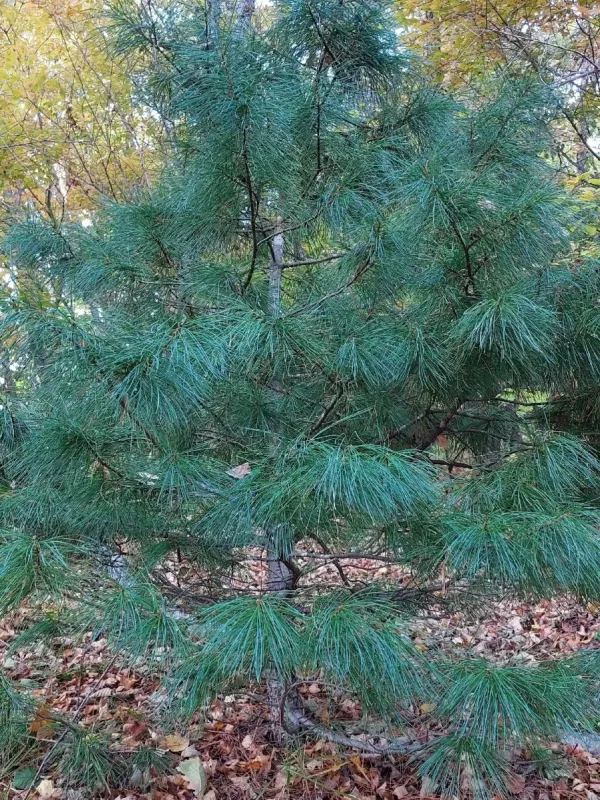
Description
Sowing dates
Korean pine seeds should ideally be sown in late autumn to benefit from natural overwintering, which breaks the seed dormancy effectively.
If spring sowing is planned, seeds must undergo cold stratification in a moist medium at temperatures near freezing for at least 90–120 days.
Sow the seeds at a depth of 3–5 cm in well-prepared, loose soil, maintaining sufficient space between rows to allow for healthy sapling development.
Young seedlings require partial shade during their first few years, as they are susceptible to heat stress and excessive direct sunlight.
Transplanting into the permanent site should be carefully timed to avoid the active growth period, ensuring the root ball remains intact.
Growing requirements
Korean pine, belonging to the Pinaceae family, is a slow-growing evergreen conifer primarily cultivated for its highly valuable edible pine nuts.
The species thrives in deep, fertile, and well-drained loamy soils, showing a strong intolerance to waterlogged or saline ground conditions.
It prefers a cool, humid climate with distinct seasonal changes, showing remarkable cold hardiness compared to many other pine species.
Adequate sunlight is crucial for adult trees; although they tolerate shade in youth, full exposure is required to maximize cone production.
Proper site selection must include considerations for air circulation and humidity, as the tree is sensitive to persistent urban air pollution.
Yield
The time to reach maturity for cone production is long, with the first harvest typically occurring 20–30 years after planting the initial seeds.
Yield capacity depends on the tree's health, local microclimate, and the specific genetic strain used in the plantation development.
Mature, well-established trees can produce significant quantities of cones, making the species a viable option for long-term agroforestry investments.
Fruit production is cyclical, influenced by environmental factors such as frost during the pollination stage and total seasonal precipitation.
Strategic spacing within the plantation is essential to ensure adequate nutrient uptake and sunlight penetration for consistent long-term yields.
Main diseases and pests
Cone moths and other seed-eating insects pose the most significant threat to the harvest by damaging developing cones and reducing seed viability.
Fungal diseases like needle cast (Lophodermium) can infect the foliage, particularly in plantations with poor airflow or high humidity levels.
Root rot, often caused by poor soil drainage, can lead to sudden decline and death, necessitating careful site maintenance and irrigation control.
Secondary pests such as bark beetles may attack trees that are already stressed by drought or injury, requiring timely removal of debris.
Implementing a comprehensive Integrated Pest Management (IPM) plan is vital for maintaining plantation health and protecting economic output.
Harvesting
Cones are typically harvested in September when they reach physiological maturity and begin to turn a deep, woody brown color.
It is important to harvest before the cones open naturally on the tree, which would otherwise result in the loss of seeds to local wildlife.
After collection, cones should be stored in a dry, ventilated area to allow the scales to loosen, which facilitates the extraction of the nuts.
Mechanical threshing is often used to separate seeds from the cones, followed by cleaning and grading the nuts to remove impurities.
Storage requires low humidity and cool temperatures to preserve the oil content and flavor profile of the pine nuts for future market supply.