
Gregg's pine
Pinus greggii Engelm. ex Parl.
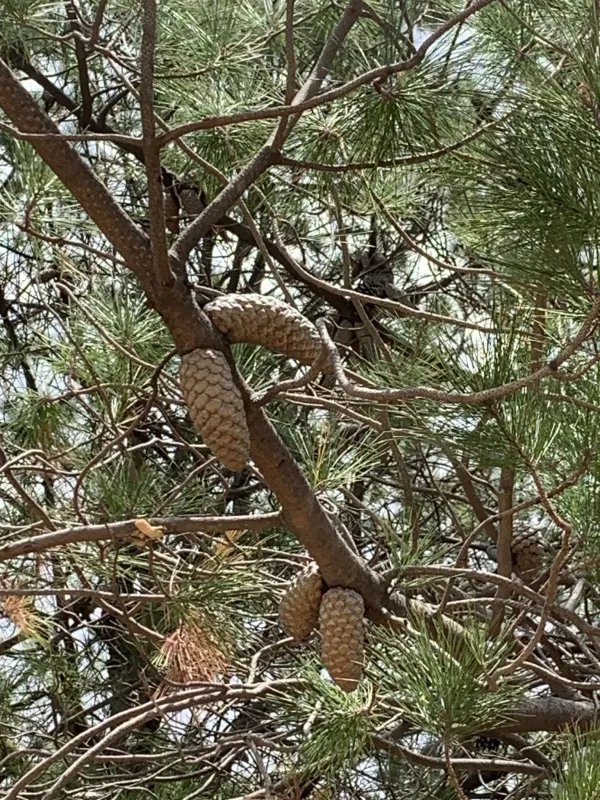
Description
Growing requirements
Gregg's pine (Pinus greggii Engelm. ex Parl.) is an evergreen coniferous tree belonging to the Pinaceae family. It is native to the mountains of eastern Mexico, where it has evolved to thrive in diverse microclimates across varying altitudes.
This species is highly valued in forestry for its tolerance to various soil types. It performs exceptionally well on limestone-derived, rocky, and low-fertility soils, provided that the substrate offers excellent drainage to prevent root zone suffocation.
Climate adaptability is one of the key strengths of this culture. It demonstrates significant resilience against drought and can withstand moderate frost, making it a reliable candidate for reforestation projects in arid or semi-arid mountain environments.
Agricultural management requires careful attention to seedling spacing. As a tree that tends to develop a spreading canopy, proper plantation design is essential to manage light availability and ensure uniform development of the stands.
The tree is strictly heliophilous, requiring full sun exposure for healthy growth. In shaded conditions, the tree shows reduced vigor, sparse foliage, and poor structural development, which ultimately impacts the quality of its wood and longevity.
Main diseases and pests
The major threats include fungal infections such as Dothistroma needle blight, which can severely impact growth in humid conditions. Additionally, bark beetles and sawflies represent significant insect threats that can damage the tree's vascular system.
Integrated pest management remains the best strategy for maintaining healthy plantations. This includes monitoring for early signs of infestation and ensuring that the planting density allows for adequate air circulation to minimize humidity-related risks.