
Chiapas pine
Pinus chiapensis (Martínez) Andresen
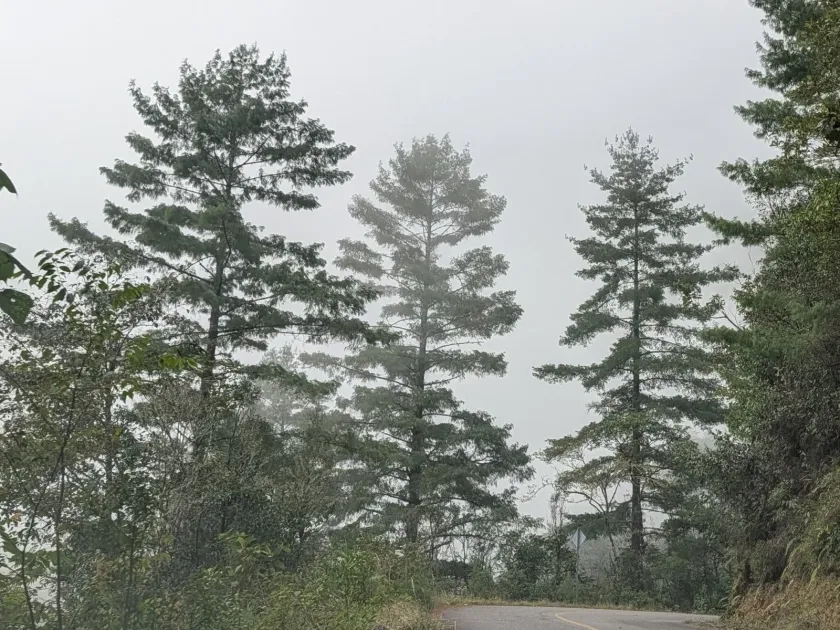
Description
Growing requirements
The Chiapas pine (Pinus chiapensis) is a member of the Pinaceae family. It is a fast-growing conifer native to the high-altitude forests of southern Mexico and Guatemala, known for its soft, light wood and rapid biomass production.
This species thrives in tropical and subtropical climates with high annual precipitation levels. It is highly sensitive to frost and requires stable, moderate temperatures, typically ranging from 18°C to 25°C throughout the growing season.
The tree prefers deep, well-drained, slightly acidic soils. It is particularly vulnerable to waterlogged conditions, which can lead to root degradation; therefore, selecting an appropriate planting site with high soil porosity is essential for long-term health.
Agrotechnical management involves managing light levels during the seedling stage. Providing dappled shade helps protect young trees from harsh solar radiation, while mature stands perform best with full exposure to sunlight for maximum growth.
Economically, Pinus chiapensis is highly valued for its timber, which is used for carpentry, furniture, and paper pulp. Its fast growth rate makes it a preferred species for reforestation projects aimed at restoring degraded tropical forest ecosystems.
Main diseases and pests
Fungal diseases are the primary threat to the Chiapas pine, particularly in areas with poor airflow and high humidity. Rust fungi and various forms of damping-off represent significant risks to young plantations and nurseries.
Boring insects and bark beetles are the most dangerous pests for mature trees. These organisms attack stressed individuals, eventually compromising the structural integrity of the wood and leading to tree death if not controlled.
Defoliating insects can cause major damage by consuming needles, which directly impacts the tree's ability to produce energy through photosynthesis. Severe outbreaks often lead to canopy dieback and reduced diameter growth.
Maintaining a healthy forest environment through thinning and cleaning is the best defense against pests. These practices prevent the buildup of pest populations and improve the general vigor of the trees against potential infections.
Integrated pest management, including the monitoring of infestation levels and the use of resistant planting stock, is critical for the success of commercial plantations of this species.