
Jack pine
Pinus banksiana Lamb.
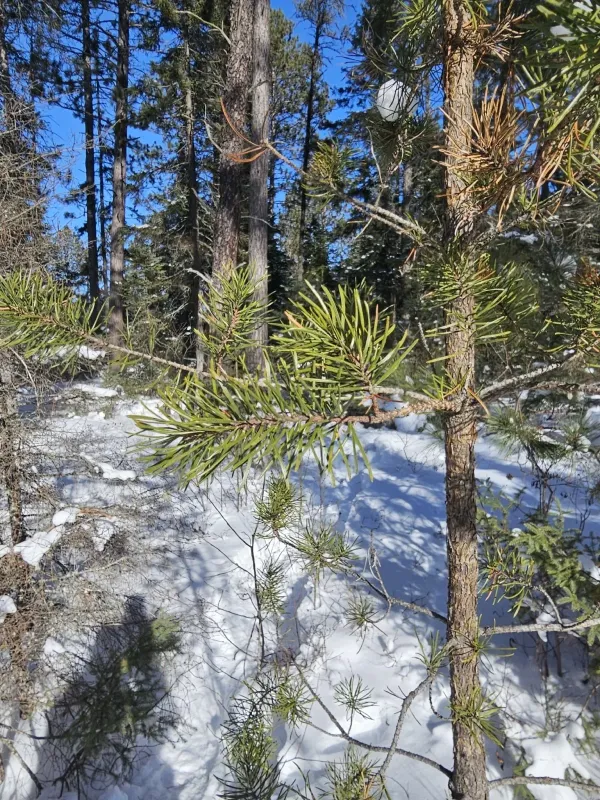
Description
Sowing dates
Sowing of Jack pine seeds is primarily carried out in the spring, once soil temperatures reach 8–10 degrees Celsius. To achieve uniform germination, the seeds require a pre-sowing stratification period of 30–60 days in cold, moist conditions.
Seeds are sown in nurseries or containers filled with well-drained substrate. The typical sowing depth is between 0.5 and 1 cm to ensure optimal germination energy and success rates for the emerging seedlings.
In forest management, direct seeding on prepared forest plots using specialized seed drills is a common practice. Seeding density is calculated based on the intended stand use and local climatic site conditions.
To accelerate seedling growth in nurseries, regular irrigation and the application of balanced NPK fertilizers are employed. It is crucial to manage nutrient levels carefully to prevent excessive succulent growth that could be susceptible to winter frost damage.
Transplanting seedlings to their final location is most successful during the plant's dormant phase—early spring before sap flow begins, or in the autumn after the growing season has concluded.
Growing requirements
Jack pine belongs to the Pinaceae family and is recognized as one of the most resilient conifer species. It shows remarkable tolerance for poor, sandy soils where many other tree species would fail to thrive.
This species is highly shade-intolerant; under significant canopy cover, the tree loses vigor, lower branches die off, and overall growth rates decline significantly. Ample sunlight is essential for a healthy and dense crown structure.
The plant is well-adapted to harsh climates, enduring extreme cold and strong wind loads. However, Jack pine does not tolerate heavy, compacted soils or poor drainage, which can lead to root system health issues.
In its native range, the species grows in temperate continental climates characterized by sharp temperature fluctuations. It effectively competes with other vegetation in burnt areas and clearings due to its rapid colonization capabilities.
For optimal establishment, young plantations require protection from weed competition, which can suppress seedling growth during the initial years by limiting access to light and soil nutrients.
Yield
The economic use of Jack pine is focused primarily on the production of timber and pulpwood for the paper industry. The wood is characterized by moderate density and high resin content, making it a valuable material for construction.
Its fast initial growth rate makes it an excellent candidate for shelterbelts and sand dune stabilization. This efficiency makes it a cost-effective choice for reforestation and restorative silviculture.
Stand productivity is heavily dependent on soil quality and the timing of intermediate thinnings. Under optimal conditions, the tree can reach heights of up to 20 meters and trunk diameters of 40–50 centimeters.
In landscaping, Jack pine is used for large-scale plantings in park areas due to its ability to form unique groups. However, it is used less frequently in residential garden landscaping compared to more ornamental pine species.
The demand for Jack pine as pulpwood ensures a stable market for forest products, incentivizing forest management organizations to invest in large-scale cultivation of this resilient species.
Main diseases and pests
Fungal diseases, such as Scleroderris canker, which affects needles and shoots, pose the most significant threat to plantations. In high humidity conditions, outbreaks of needle rust can also occur.
Among insect pests, sawflies are the most damaging; their larvae can quickly defoliate significant portions of the crown, leading to weakened trees. Regular phytosanitary monitoring is critical for early detection and control.
Bark beetles and other wood-boring insects often target stressed or damaged trees. Timely removal of deadwood and wind-thrown timber is a standard practice for protecting forest stands from large-scale infestations.
Rodents may also cause damage by gnawing on the bark of young seedlings during the winter months. To prevent economic loss, nursery protection measures or localized repellents are often applied to trunks.
- Prophylactic fungicide applications in nurseries.
- Sanitary thinning for forest health.
- Biological control measures against insect pests.