
Scholtzia oligandra
Scholtzia oligandra
Description
Growing requirements
Scholtzia oligandra is a distinctive shrub species belonging to the Myrtaceae family. Native to Western Australia, this plant has evolved to thrive in specialized environments, particularly in sandy, nutrient-poor soils where moisture availability can be erratic.
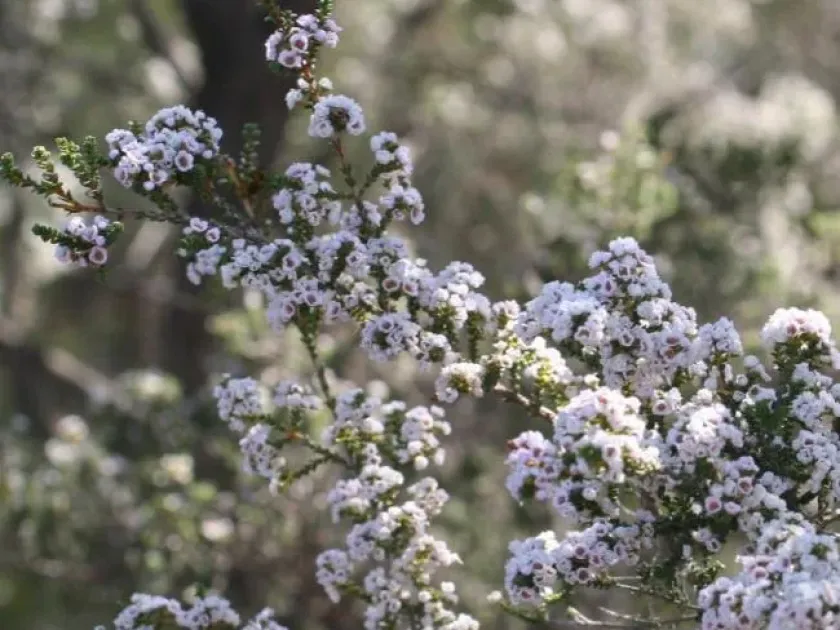
Morphologically, it is defined as a compact, evergreen shrub with small, gland-dotted leaves that release aromatic oils. The plant produces delicate, small flowers that contribute to its high ornamental value in specialized garden settings.
Cultivation success relies heavily on replicating its natural habitat requirements. Key factors include full sun exposure, extremely well-draining soil, and protection from frost, as the species is not adapted to cold temperate winters.
In terms of management, Scholtzia oligandra requires minimal irrigation once established. Overwatering is the most common cause of failure in domestic cultivation, as the roots are highly susceptible to oxygen deprivation in waterlogged substrates.
The primary use of this crop is in horticulture, specifically within xeriscaping or Mediterranean-style gardens where water conservation is prioritized alongside aesthetic appeal. It serves as an excellent filler or low hedge in garden designs.
Main diseases and pests
The most significant threats to Scholtzia oligandra are related to root pathogens, particularly those belonging to the genus Phytophthora, which thrive in moist and poorly ventilated soil conditions.
Symptoms of infection include sudden wilting or chlorosis of the foliage. Once the roots are severely compromised, recovery is rarely possible, making preventative drainage management crucial for growers.
Pests such as scale insects and spider mites can occasionally affect the shrub, particularly in glasshouse environments or areas with poor air circulation. These pests can weaken the plant and lead to secondary infections.
Control measures involve the application of appropriate systemic insecticides and maintaining a hygienic growing environment by removing debris and ensuring adequate spacing between individual plants.
Pruning is also recommended to ensure good airflow throughout the canopy, which naturally helps in reducing the humidity levels that favor the growth of fungal pathogens on the leaves and stems.