
Pileostegia viburnoides
Pileostegia viburnoides
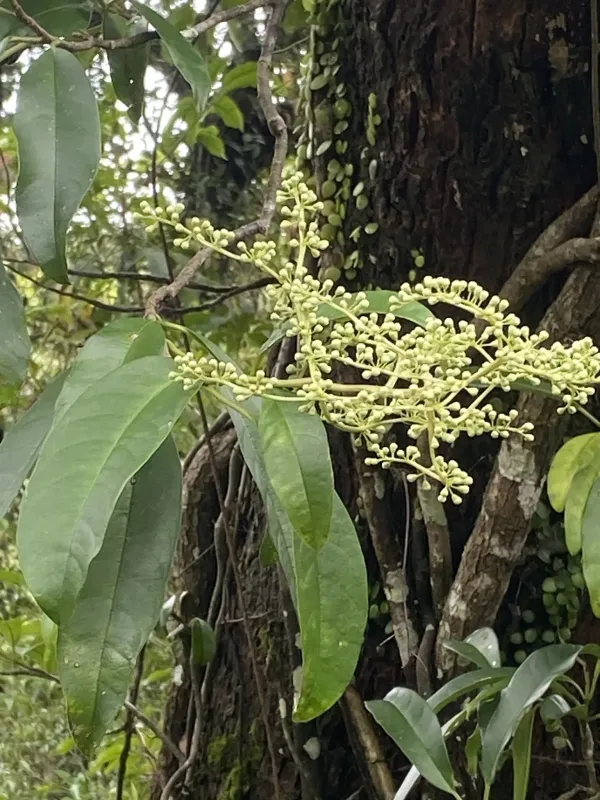
Description
Growing requirements
Pileostegia viburnoides is an evergreen woody climber belonging to the Hydrangeaceae family. Native to the subtropical forests of China and Southeast Asia, this plant is highly valued for its dense, leathery foliage and elegant creamy-white flower clusters that appear in late summer.
Botanically, it is a self-clinging vine, utilizing adventitious rootlets to climb surfaces such as brick walls or tree trunks. The leaves are persistent, lanceolate, and deeply green, providing excellent structural interest in garden designs throughout the year.
The cultivation requirements focus on providing a sheltered, partially shaded location. While it can tolerate deeper shade, flowering is significantly more profuse when the plant receives dappled light for several hours during the day, away from harsh afternoon sun.
Soil preferences lean towards moisture-retentive, humus-rich, and slightly acidic substrates. It is essential to ensure excellent drainage, as the roots are sensitive to waterlogging. Incorporating organic matter such as leaf mold or compost significantly improves development.
Regarding climate, this species is best suited for zones with mild winters. In cooler climates, it requires protection against freezing winds, which can cause leaf desiccation. Cultivation in large containers that can be moved to a conservatory during winter is a common practice.
Main diseases and pests
The primary threats to Pileostegia viburnoides include root rot pathogens exacerbated by poor soil drainage. Maintaining a balance between soil moisture and air circulation is the best preventive strategy against soil-borne fungal infections.
Pests, particularly spider mites and scale insects, often target the foliage in glasshouse or indoor environments. These insects thrive in dry, stagnant air; therefore, maintaining high humidity levels is crucial for plant health.
Powdery mildew may occur if the plant is grown in areas with insufficient air movement. Managing plant density through careful pruning helps ensure airflow, reducing the humidity pockets that favor fungal spore germination.
Winter injury is a significant risk in regions outside its native range. Sudden drops in temperature can damage young, tender growth, necessitating the use of horticultural fleece or other protective covers during the late autumn transition.
Nutritional deficiencies, especially iron chlorosis, can occur if the soil pH becomes too high. Routine monitoring of leaf color and soil acidity, combined with the application of chelated micronutrients, can prevent foliage discoloration and maintain vigor.