
Pikea
Pikea
Description
Growing requirements
Pikea is a genus of red marine algae belonging to the Dumontiaceae family. These organisms are native to temperate marine environments and occupy specific ecological niches within rocky coastal zones.
Unlike terrestrial agricultural crops, Pikea thrives in marine ecosystems where it absorbs nutrients directly from the water column. Its growth is inherently dependent on water quality, nutrient availability, and oceanic circulation patterns.
The plant secures itself to rocky substrates using rhizoids, which anchor it firmly against tidal currents. This structural adaptation allows it to flourish in environments with high water turnover, ensuring constant exposure to essential minerals.
Light penetration is a critical factor for Pikea, as its physiological processes are dictated by photosynthetic needs in the underwater environment. Its growth rate is highly sensitive to seasonal changes in water clarity and ambient solar radiation.
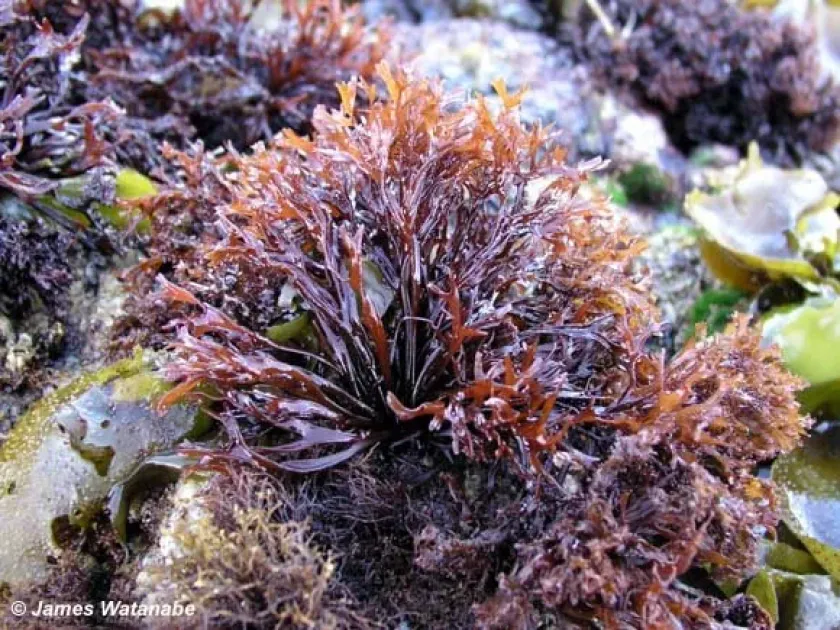
The thallus of Pikea exhibits a complex branching pattern, which maximizes the surface area for nutrient absorption. This botanical architecture allows the species to maintain its life cycle even in fluctuating maritime conditions.
Yield
The primary economic value of Pikea lies in its cell wall composition, which contains hydrocolloids. These substances are widely utilized in food production and microbiology as natural gelling and stabilizing agents.
Current yield figures are largely derived from wild-harvested biomass in coastal regions. Efforts to optimize extraction methods are ongoing to ensure maximum yield of polysaccharides while preserving the integrity of the natural resource.
Advancements in mariculture are being explored to move beyond wild collection. Cultivating Pikea on controlled structures could potentially stabilize the annual output and reduce the impact of environmental variability on harvest volumes.
The post-harvest processing chain involves drying, purification, and the sophisticated chemical extraction of targeted components. This ensures the delivery of a consistent raw material for the pharmaceutical and chemical industries.
Effective management of production involves monitoring growth cycles and timing harvests to match the peak accumulation of desired hydrocolloids in the plant tissues, ensuring maximum market utility.
Main diseases and pests
Ocean acidification poses a significant threat to Pikea populations, as altered pH levels directly interfere with the calcification and cell wall synthesis of red algae, weakening the entire organism.
Eutrophication of coastal waters, often caused by agricultural runoff, leads to algal blooms that block sunlight. This process creates a light-starved environment, severely inhibiting the photosynthesis of submerged Pikea colonies.
Industrial activities, such as coastal construction and seafloor mining, cause direct destruction of the rocky habitats that Pikea relies on for anchorage, leading to a permanent loss of suitable growth sites.
Pollution from heavy metals and industrial toxins accumulates in the seaweed's tissues, rendering the biomass unsafe for human or pharmaceutical consumption and disrupting the local marine food web.
Pathogenic epiphytes and parasites can cause localized outbreaks in Pikea stands, leading to tissue decay and significant reduction in biomass, which complicates the sustainable management of wild populations.