
Physorhynchus
Physorhynchus chamaerapistrum
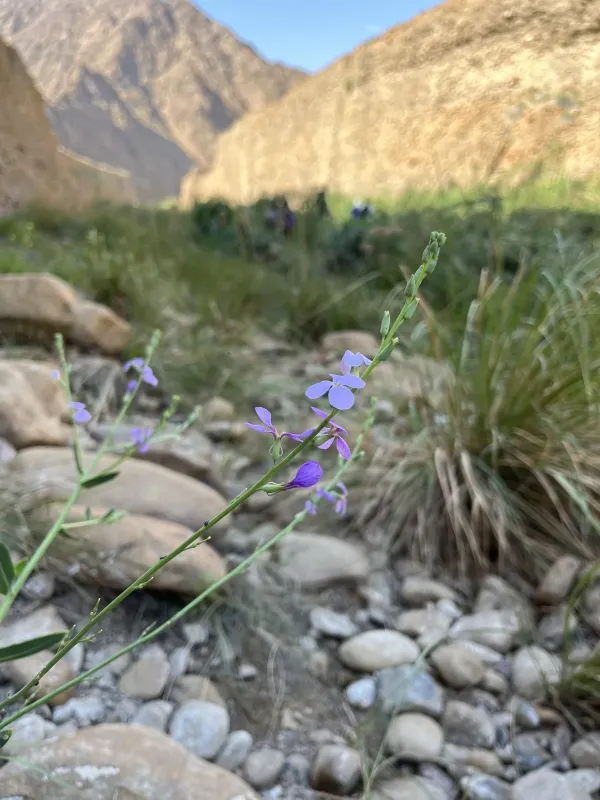
Description
Sowing dates
Physorhynchus chamaerapistrum belongs to the Brassicaceae family and is adapted to germinate under specific environmental cues. In its native habitat, seeds typically germinate following the first significant autumn rains, requiring a period of exposure to cooler temperatures.
When cultivating this species, it is essential to prepare the seedbed to ensure optimal soil-to-seed contact. Using a shallow seeding depth of 1-2 centimeters is recommended to facilitate rapid emergence without exhausting the seed's stored energy.
The spacing between plants must be managed carefully to allow for adequate airflow and to prevent competition for limited soil moisture. Overcrowded fields often show reduced vigor and susceptibility to environmental stressors.
Pre-treatment of seeds, such as scarification or cold stratification, may be necessary if planting is performed outside of the natural growth cycle. This helps to break seed dormancy and ensures a more uniform crop stand.
Given the arid nature of the plant, direct seeding into prepared, well-drained soil during the start of the wet season is the most reliable method for successful establishment.
Growing requirements
Physorhynchus is a specialized crop that thrives in arid and semi-arid conditions. It is highly heat-tolerant and requires substantial solar radiation to complete its life cycle successfully.
The soil should have a light texture, ideally sandy or calcareous. Poor drainage is the primary enemy of this plant, as waterlogged conditions lead to rapid development of root-rotting pathogens.
The plant performs best in neutral to slightly alkaline soils. It is notably tolerant of moderate soil salinity, making it a potential candidate for cultivation in lands that are unsuitable for traditional cereals.
Moisture management is key: while the plant is drought-tolerant, supplemental irrigation during the seedling stage significantly improves root architecture and overall crop biomass production.
Full sun exposure is mandatory throughout all growth stages. Any shading, even from neighboring weeds, will significantly diminish the plant's photosynthetic efficiency and reduce overall yield potential.
Main diseases and pests
The most significant threat to Physorhynchus is fungal infection, particularly root rot, which is triggered by excessive humidity. Managing soil moisture levels is critical to maintaining a healthy plantation.
Crucifer beetles and other foliar pests often target the plant during the early vegetative phase. Integrated pest management strategies, such as the use of biological controls, are preferred to maintain the crop's ecological integrity.
Aphid infestations can occur during the flowering period, potentially spreading viral diseases that stunt plant development. Regular field scouting is necessary to identify and manage these outbreaks early.
Nematode pressure in the rhizosphere can restrict water uptake, making the plants more susceptible to heat stress. Crop rotation with non-host species is essential for managing soil-borne pest populations.
During the maturation phase, the crop must be protected from granivorous birds, which may feed on the developing pods and seeds, leading to yield loss.
Harvesting
Harvesting Physorhynchus requires careful timing, as the pods are prone to shattering upon full maturity. Harvesting should commence when the seeds have developed their characteristic color but before the pods split.
Mechanical harvesting requires specialized equipment settings to handle small seeds gently. Vibration must be minimized to prevent premature pod dehiscence during the collection process.
Post-harvest, the seeds must be dried immediately in a well-ventilated, shaded environment to prevent spoilage. Proper drying ensures the seeds maintain high viability for future planting or processing.
Cleaning the harvested crop using air-screen cleaners or gravity tables is necessary to remove debris and low-quality seeds. This step is vital for meeting commercial quality standards.
Storage should take place in a cool, dry, and rodent-proof location. Proper bagging using materials that allow for moisture exchange can help extend the shelf life of the seeds.