
Physena madagascariensis
Physena madagascariensis
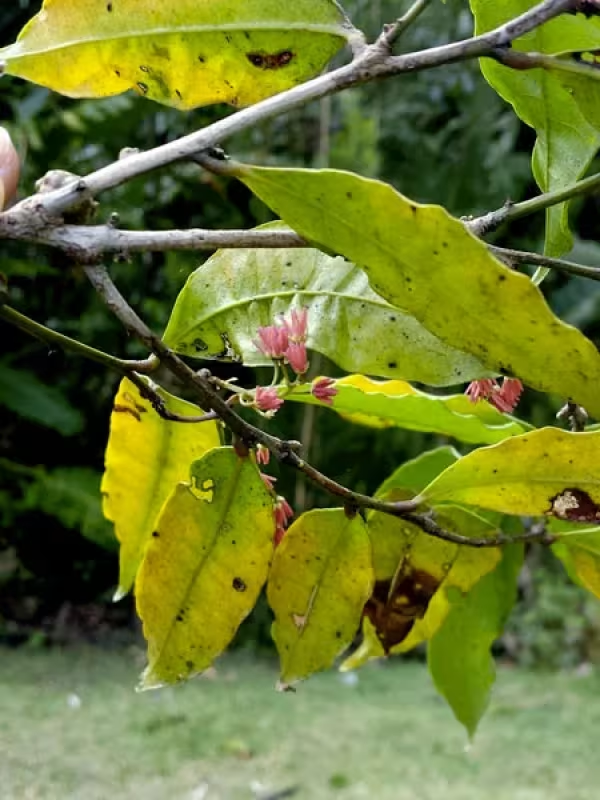
Description
Growing requirements
Physena madagascariensis is a distinct plant species belonging to the monotypic family Physenaceae. It is endemic to the island of Madagascar, where it occupies highly specific ecological niches within tropical forest environments.
Cultivation of this species requires strict adherence to tropical climate parameters. The plant thrives in high-humidity environments with stable temperatures, as it possesses no natural tolerance for frost or cool climate fluctuations. Temperature control is the primary constraint in greenhouse management.
The soil requirements for this culture are centered on excellent drainage and a loose, nutrient-rich composition. It prefers slightly acidic to neutral substrates that prevent waterlogging, which is detrimental to the plant’s root health and metabolic function.
Botanically, it is a slow-growing woody perennial characterized by its unique evolutionary position within the order Caryophyllales. Proper agricultural management involves mimicking its native forest floor environment, particularly concerning filtered light and humidity.
Economically, its role is limited to academic research and botanical conservation. It holds no current value in mass-market agriculture due to the complexities of propagation and the environmental requirements that exceed standard commercial farming capabilities.
Main diseases and pests
The primary threats to Physena madagascariensis include fungal pathogens that thrive in stagnant air and over-saturated soil conditions. Root rot, often caused by species of Phytophthora, can lead to rapid decline if irrigation is not strictly regulated.
Pest management focuses on controlling sucking insects such as scale insects and spider mites. These pests thrive in indoor conditions, often colonizing the undersides of leaves and leading to chlorosis if left untreated.
Nutrient deficiencies often manifest as yellowing of leaf margins, necessitating a precise fertilizer regimen. Providing a balanced ratio of nitrogen, phosphorus, and potassium is essential to maintain the structural integrity of the plant.
Competition from aggressive opportunistic flora is a significant concern for younger, less established specimens. Weeding must be performed manually to avoid disturbing the fragile, shallow root system of the main plant.
Since the species is not widely domesticated, there is limited data on widespread viral vulnerabilities. Growers must maintain high standards of phytosanitary hygiene to prevent the transmission of common greenhouse diseases.