
Physcomitrium piriforme
Physcomitrium piriforme
Description
Growing requirements
Physcomitrium piriforme is a species of moss belonging to the Physcomitriaceae family. It is typically found on moist, nutrient-rich soil surfaces, often appearing in disturbed habitats such as fallow fields and edges of drainage ditches.
The plant thrives in temperate climates where moisture levels remain consistently high throughout the spring. It is highly dependent on the moisture content of the topsoil, which serves as its primary source of water uptake through primitive root-like structures called rhizoids.
Regarding soil requirements, it prefers clayey or loamy textures with a neutral to slightly acidic pH level. It avoids sandy or excessively porous soils that do not retain enough moisture for its lifecycle to complete.
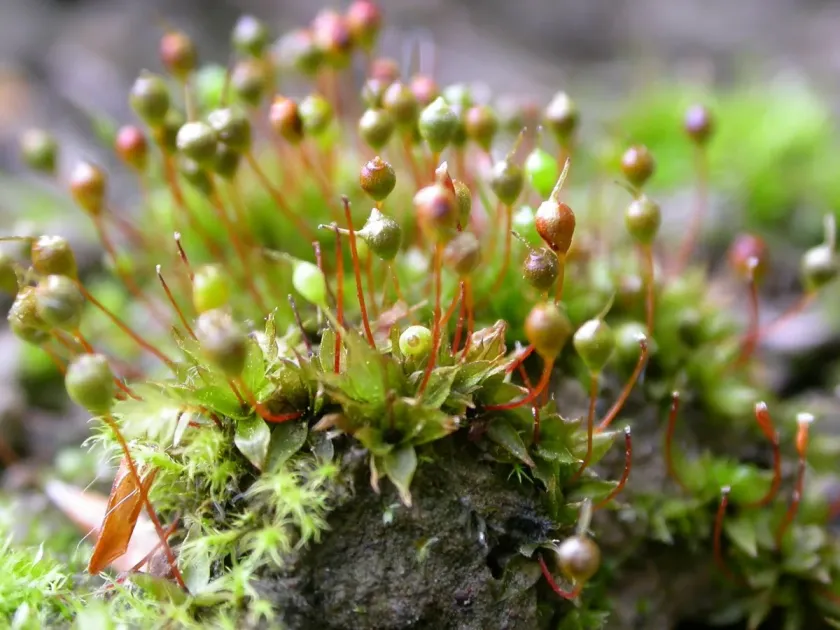
Botanically, it is characterized by its small, erect stems and distinct, pear-shaped capsules. These capsules are responsible for the dispersal of spores, which usually occurs when environmental conditions are optimal for germination.
As a colonizing plant, it plays a minor but consistent role in soil stabilization. By forming dense mats on open ground, it helps mitigate surface erosion on a micro-scale and prepares the substrate for other successional plants.
Main diseases and pests
Agriculture poses significant threats to Physcomitrium piriforme populations. The application of synthetic herbicides is particularly damaging, as these chemicals directly inhibit the metabolic processes of the moss.
Mechanical disturbance of the soil, such as intensive tillage or harrowing, destroys the surface crust where the moss establishes its colonies. These activities often lead to the local extinction of the species in cultivated areas.
Changes in soil chemistry due to excessive fertilizer application can disrupt the delicate balance required for moss development. High concentrations of salts or nitrogen can cause physiological stress and necrotic damage to the thalli.
Competition for sunlight is a major limiting factor in managed landscapes. When taller vascular plants or fast-growing weeds dominate an area, the light levels drop below the threshold required for the survival of the moss.
Climate change, specifically shifting precipitation patterns, also threatens this species. Extended periods of drought prevent the completion of the sexual reproduction cycle, as the fertilization of gametes in mosses requires a film of water.