
Phyllostylon brasiliensis
Phyllostylon brasiliensis Capan. ex Benth. & Hook. f.
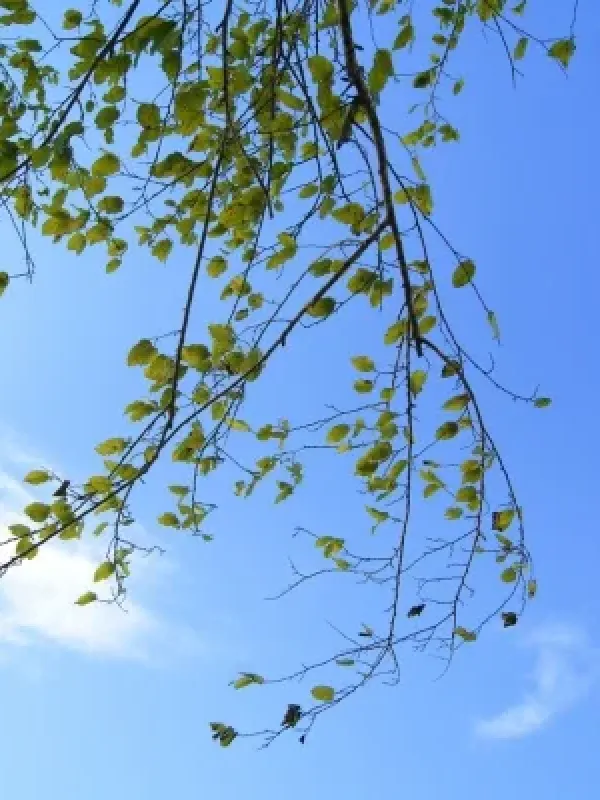
Description
Growing requirements
Phyllostylon brasiliensis is a significant woody species belonging to the Ulmaceae family. Known in trade as 'palo blanco' or 'san domingo', it is a hardwood tree prized for its density and fine texture, making it highly valuable in the timber industry.
The tree is native to the tropical and subtropical regions of the Americas, spanning from Mexico through Central America to Brazil, Bolivia, and Argentina. It naturally thrives in dry forests where it has adapted to significant seasonal variations in rainfall.
Cultivation requires specific environmental conditions, primarily focusing on well-drained soils. While the species is drought-tolerant once established, younger trees need consistent moisture during their initial growth stages to ensure a strong root system.
Soil quality should lean towards fertility with excellent drainage properties. Phyllostylon brasiliensis does not thrive in waterlogged conditions, making slope management or terracing vital if the topography is susceptible to erosion or flooding.
Economically, this species is cultivated for high-quality wood used in fine carpentry, flooring, and musical instruments. Its slow growth rate means that sustainable management practices are essential for long-term production and ecological balance.
Main diseases and pests
The primary threats to Phyllostylon brasiliensis involve wood-boring insects, which can severely compromise the timber's quality. Early detection through forest surveys is crucial for minimizing damage to the maturing tree population.
Fungal pathogens represent another significant risk, particularly those that thrive in humid environments. These can affect both the foliage and the internal vascular system of the tree, potentially leading to wilting and reduced productivity.
Preventative measures include maintaining proper tree density to encourage airflow, which reduces humidity around the trunks and leaves. This cultural practice is one of the most effective ways to discourage the spread of fungal spores.
In nursery settings, seedlings must be protected from damping-off diseases caused by soil-borne pathogens. Using sterilized growth media and controlled irrigation practices significantly enhances the survival rate of young plantations.
Integrated Pest Management (IPM) strategies are recommended for commercial forestry. By combining biological controls with selective sanitation, foresters can protect the stand without relying heavily on intensive chemical applications.