
Phyllocosmus lemaireanus
Phyllocosmus lemaireanus
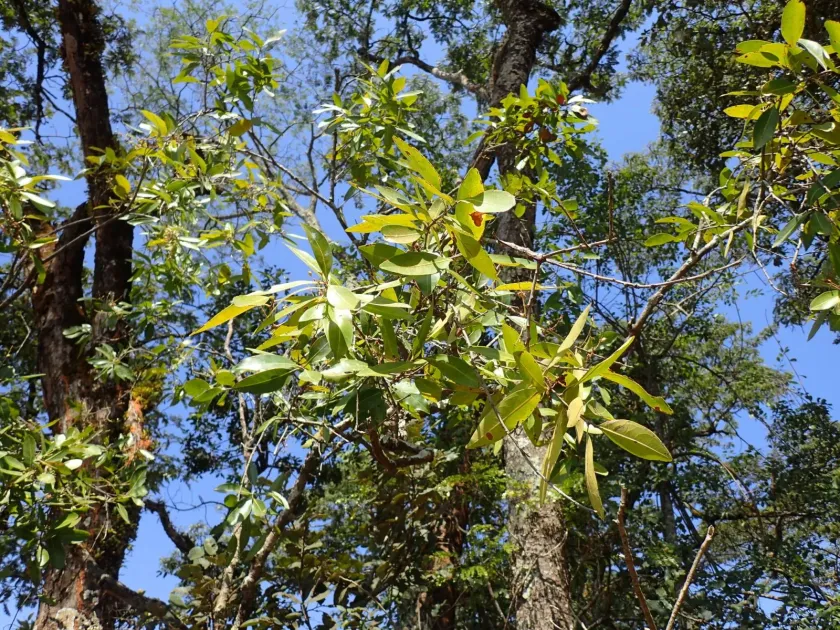
Description
Growing requirements
Phyllocosmus lemaireanus is a perennial tree species belonging to the Irvingiaceae family. It is native to the tropical forests of Central and West Africa, where it thrives in warm and consistently humid environments typical of equatorial regions.
The plant requires high levels of annual rainfall and stable temperatures to maintain its metabolic activities. It is highly sensitive to cold and drought, making it suitable exclusively for tropical climates where environmental stress is minimized.
For optimal growth, the species prefers deep, well-drained loamy soils rich in organic matter. Soil drainage is critical, as stagnant water in the root zone can trigger rot and significantly hamper the overall health and vigor of the tree.
Light availability is a key factor; while seedlings benefit from partial shade, mature trees require significant exposure to sunlight to support optimal physiological development and fruit production within the forest canopy.
Agrotechnical management involves careful monitoring of the soil moisture levels and the application of organic mulch. This practice helps to stabilize soil temperature and suppress competitive weed growth around the young saplings.
Yield
The economic utility of Phyllocosmus lemaireanus is primarily linked to its non-timber forest products, including its fruit. While cultivation is mostly localized, the tree provides essential nutritional resources for communities within its natural distribution range.
Harvesting strategies are usually traditional, focusing on gathering ripe fruits during the peak season. Productivity is highly dependent on the tree's health, age, and the quality of the soil, with yields fluctuating between different forest management zones.
In addition to fruits, the tree is recognized for its dense timber, which has been traditionally utilized for small-scale construction and household tools. Its slow growth rate makes sustainable harvesting crucial to prevent the depletion of local populations.
Future research efforts are focused on improving fruit quality and resilience against common forest pests. Such developments could pave the way for more standardized agroforestry practices, potentially increasing the overall yield of this tropical species.
Proper nutrient management through the addition of compost and natural fertilizers can accelerate the growth cycle. Consistent attention to spacing and plant health ensures that each tree reaches its full reproductive potential within the managed ecosystem.