
Phippsia algida
Phippsia algida
Description
Growing requirements
Phippsia algida, known as the ice grass, is a perennial grass species belonging to the Poaceae family. It is a highly specialized plant adapted to thrive in the harsh environments of the Arctic, Antarctic, and high-altitude alpine regions across the globe.
The primary characteristic of this species is its extraordinary frost tolerance. It is one of the few vascular plants capable of completing its reproductive cycle in extremely cold temperatures, often growing right at the edge of melting glaciers or snow patches.
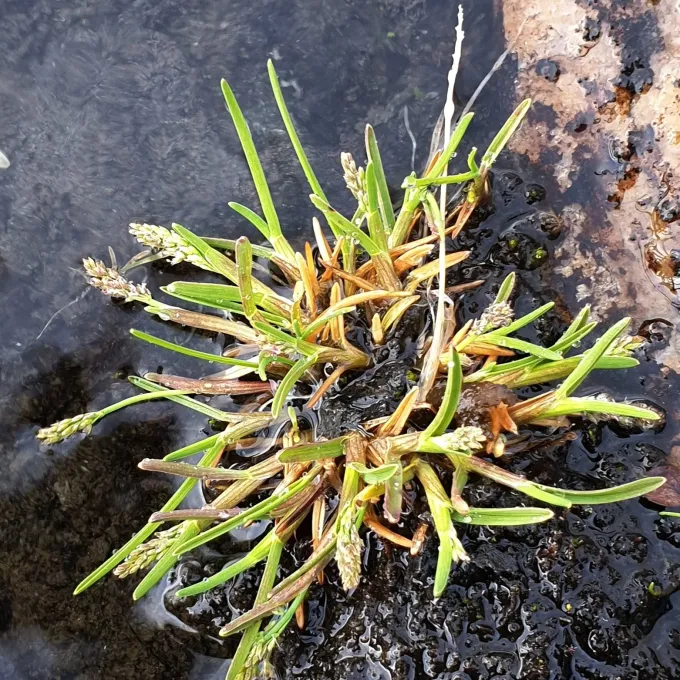
Regarding soil requirements, Phippsia algida is an extremophile that colonizes nutrient-poor, rocky, sandy, or gravelly soils. It demonstrates high resilience to soil saturation and waterlogged conditions, frequently flourishing in environments where other grass species would fail to establish.
Botanically, the plant grows in small, compact tufts to minimize heat loss and mechanical damage from intense winds. Its leaves are narrow and often succulent-like, which helps the plant conserve moisture and energy during the brief, intense growing season of the high latitudes.
While not a mainstream commercial crop, the ice grass holds significant value for agricultural research. Scientists study its genetic makeup to identify the traits responsible for extreme cold survival, which could be integrated into breeding programs to enhance the hardiness of forage crops in sub-arctic territories.