
Phenax sonneratii
Phenax sonneratii
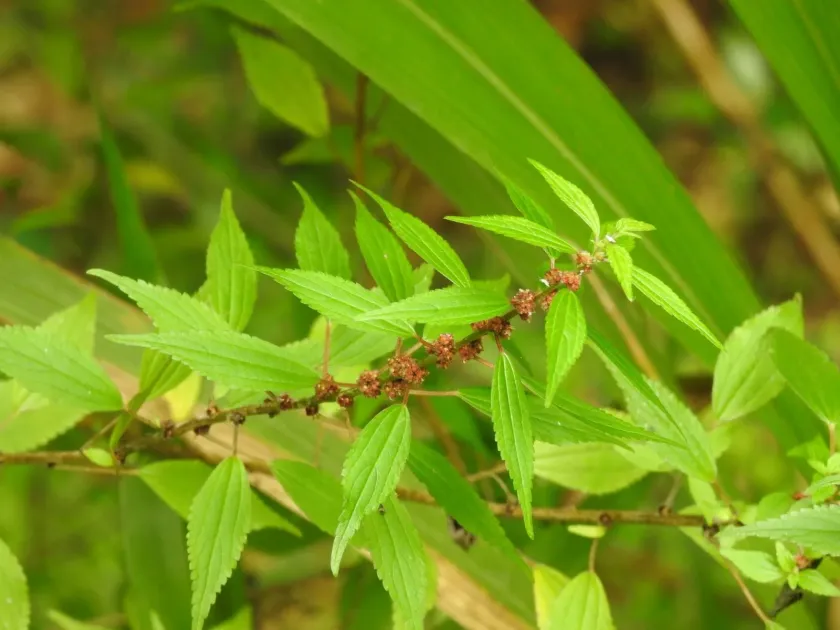
Description
Sowing dates
Phenax sonneratii is a member of the Urticaceae family that thrives in tropical and subtropical environments. Sowing is best performed at the onset of the rainy season to ensure the seedlings receive adequate moisture for initial establishment.
The optimal temperature range for germination is between +22 and +28 degrees Celsius. Stable temperatures are essential, as significant fluctuations between day and night can negatively affect the early development and survival rate of the young plants.
Seeds should be planted at a shallow depth of 1-2 centimeters because they require light to stimulate the germination process. The ideal plant density for commercial cultivation typically ranges from 40,000 to 50,000 plants per hectare, depending on soil quality.
Post-emergence thinning is highly recommended to prevent overcrowding and ensure that each plant has enough space and resources to develop a strong stalk. Incorporating organic fertilizers during sowing helps support rapid root system development.
The duration from sowing to the period of peak vegetative growth is approximately 8 to 10 weeks. Consistent moisture during this window is critical for achieving a uniform and high-quality stand of plants.
Growing requirements
Phenax sonneratii grows best in fertile, well-drained loamy soils with a neutral or slightly acidic pH. Avoiding waterlogged areas is crucial, as the root system is susceptible to decay if exposed to excessive moisture for prolonged periods.
The plant is highly photophilic and requires direct sunlight for the majority of the day to reach its full growth potential. Insufficient light results in thinner stalks, which lowers the overall quality and yield of the fiber harvested.
Regular irrigation is needed to maintain growth during the active vegetative phase. While the plant shows moderate resistance to brief dry spells, sustained drought conditions will significantly restrict the development of the fiber-producing tissues.
Effective nutrient management involves the use of balanced nitrogen-phosphorus fertilizers to drive fast vegetative growth. These nutrients are essential for maximizing the structural integrity and quantity of the fibers contained within the stalks.
- Well-drained, fertile soil is a priority.
- Requires significant daily solar exposure.
- Protection from high-speed winds is recommended.
Harvesting
The harvest of Phenax sonneratii should ideally coincide with the onset of the flowering stage, as this is when the fiber quality is at its peak. Delaying harvest leads to lignification and fiber hardening, which complicates processing.
Mechanical harvesting using forage harvesters is standard, though manual cutting remains common in small-scale agricultural systems. Stalks are cut close to the base to ensure that the maximum possible length of fiber is recovered.
Post-harvest processing involves immediate drying and cleaning to remove the outer cortex. Proper drying techniques are necessary to inhibit the growth of mold and maintain the integrity of the cellulose fibers.
Storage of the harvested biomass must take place in well-ventilated, dry facilities protected from moisture and direct sun. Humidity levels must be monitored to prevent the degradation of fiber strength during long-term storage.
Final yield success depends on the consistency of the crop stand, which is achieved through careful management of weeds and uniform spacing during the early stages of the growth cycle.