
Phellinus linteus
Phellinus linteus(Berk. & M.A. Curtis) Teng
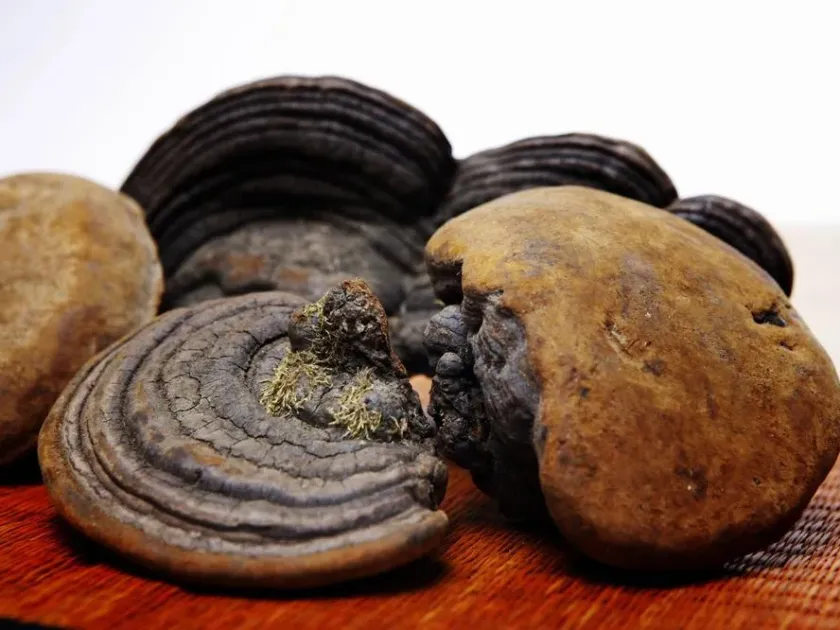
Description
Sowing dates
Phellinus linteus is a medicinal fungus belonging to the Hymenochaetaceae family. In a cultivation setting, the process begins with preparing a sterile substrate, typically composed of hardwood sawdust and bran mixtures.
The substrate must undergo sterilization at high temperatures to eliminate competing microflora. After cooling, the sterilized bags are inoculated with grain spawn under sterile conditions.
Incubation is the most critical phase, requiring stable temperatures between 22°C and 25°C. The mycelium gradually colonizes the substrate, turning the block into a dense, white, and cohesive mass.
During the incubation period, it is vital to prevent any external contamination by maintaining a strict, clean environment. Any breach in the bag integrity can lead to mold proliferation, ruining the crop.
Once colonization is complete, the bags are transferred to a fruiting room where environmental conditions are adjusted to trigger the formation of primordia.
Growing requirements
Cultivating this fungus requires high relative humidity levels, ideally maintained between 85% and 90%. Proper moisture management is essential to prevent the fungus from drying out and cracking.
Temperature control is paramount; the fruiting stage prefers a range of 18°C to 22°C. Fluctuations in temperature can cause stress to the mushroom, resulting in stunted or deformed growth.
Adequate ventilation is necessary to prevent the accumulation of CO2, which can negatively impact the shape and growth rate of the fruiting bodies. Consistent, gentle air exchange is the golden rule.
Lighting should be diffuse and kept within a range of 500 to 1000 lux. Direct sunlight must be avoided as it can burn the mushroom tissue and cause unwanted chemical changes.
The substrate must be well-drained to avoid water accumulation, which can facilitate bacterial rot. Using high-quality hardwood material ensures that the mushroom receives proper nutrition.
Yield
The yield of Phellinus linteus is modest compared to other commercial mushrooms due to its naturally slow growth rate. On average, a 1kg substrate block produces approximately 150-200g of dry product.
Fruiting bodies are harvested over several months, with the total cycle extending up to 6 months. Quality is prioritized over quantity, as this fungus is primarily used for pharmaceutical extracts.
Nutrient supplements, such as nitrogen-rich additives, are generally avoided to maintain the chemical purity required for medicinal applications. Natural, wood-based nutrition is preferred for consistent results.
Strategic management of the fruiting room allows for staggered production, ensuring a steady supply of raw material for further processing into powders or extracts.
Profitability is determined by the high demand for medicinal mushrooms in the global health supplement market, compensating for the long growth cycles and labor-intensive cultivation.
Main diseases and pests
Contamination by Trichoderma species, commonly known as green mold, is the most significant threat to Phellinus linteus cultivation. Strict hygiene during inoculation is the primary prevention method.
Pests such as fungus gnats and mites can easily infiltrate grow rooms, damaging mycelium and developing mushrooms. Implementing insect-proof screens is a standard operating procedure.
Bacterial rot is a common ailment caused by excessive humidity combined with poor air circulation. Removing affected blocks immediately is necessary to prevent the spread of infection to nearby healthy crops.
Environmental stress can cause spotting or uneven surface development. Monitoring the growth environment daily and making small adjustments helps mitigate these issues before they become chronic.
Post-harvest pests can also infest dried product if not stored correctly. Proper drying and hermetic storage prevent the growth of secondary contaminants.
Harvesting
Harvesting should occur when the fruiting bodies have reached their peak density and the cap edges have hardened. Waiting too long can result in a woody texture that is too tough for efficient processing.
Using sharp, disinfected knives, the mushrooms are cut cleanly from the block base. Gentle handling is required to avoid damaging the substrate, which may support further flushes.
Immediate dehydration at temperatures below 45°C is essential to preserve the biological activity of the compounds. High heat can damage the delicate polysaccharides found in the fruiting body.
Dried Phellinus linteus has a shelf life of several years if stored in a cool, dark, and dry environment. Vacuum sealing is recommended to protect the product from moisture and oxidation.
Once dried, the mushrooms are processed into fine powders, tinctures, or extracts, which are then utilized by the nutraceutical industry to create various health supplements.