
Phelline comosa
Phelline comosa
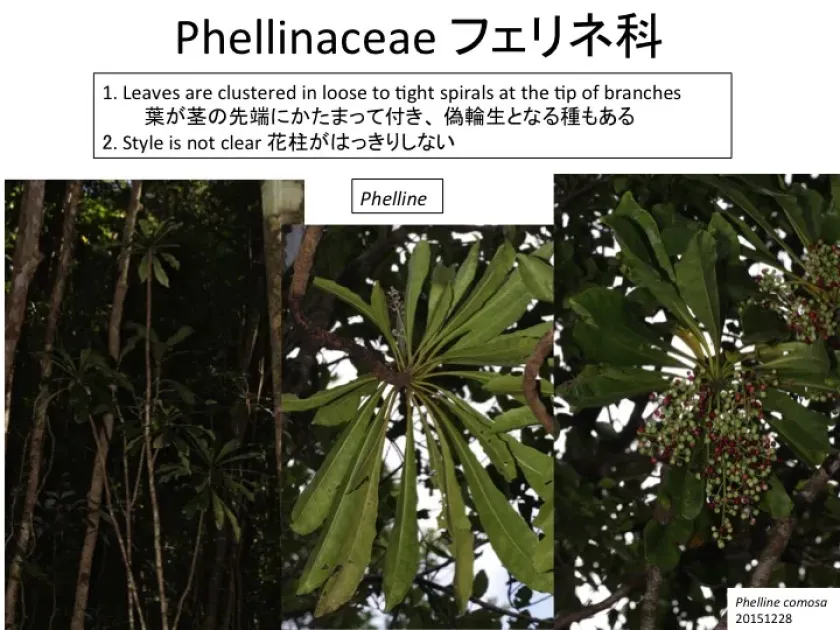
Description
Growing requirements
Phelline comosa is a distinct botanical species belonging to the family Phellinaceae. It is strictly endemic to the archipelago of New Caledonia, where it has evolved in isolation, resulting in highly specialized morphological features adapted to the local environment.
The plant typically grows as a small tree or shrub within the island's humid tropical forests. It thrives in high-humidity conditions and is typically found in soils that are specific to the unique geological profile of the region, often associated with ultramafic substrates common in New Caledonian landscapes.
Botanically, it is characterized by its evergreen foliage and specific reproductive structures that facilitate survival under the canopy layer of the dense forest. The species requires stable temperatures and consistent precipitation to maintain its vegetative development throughout the year.
There is no commercial cultivation of Phelline comosa in the agricultural sense. Any cultivation efforts are purely restricted to botanical research and conservation initiatives, aiming to understand the growth habits and environmental thresholds of this rare endemic species in controlled settings.
The primary value of this plant is ecological rather than commercial. As a component of the native New Caledonian flora, it contributes to the regional biodiversity and serves as an important subject for evolutionary and conservation biology studies in the Pacific zone.