
Petrorhagia velutina
Petrorhagia velutina
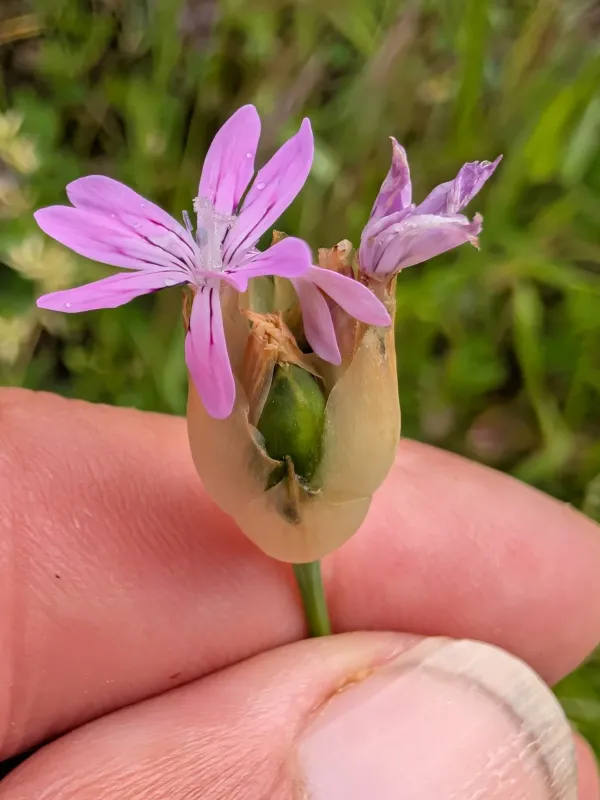
Description
Growing requirements
Petrorhagia velutina, commonly known as velvet tunicflower, is an annual herbaceous plant belonging to the Caryophyllaceae family. Its native range spans the Mediterranean basin, parts of Southern Europe, and the Caucasus, where it thrives in open, sunny habitats.
Botanically, this plant is recognized by its slender, erect stems and distinctive pubescence that covers the foliage, giving it a velvet-like texture. The leaves are narrow and lance-shaped, contributing to the plant's ability to conserve moisture in arid climates.
Cultivation success depends heavily on soil structure; the plant requires well-drained, porous soils. It performs best in substrates that mimic its natural rocky or sandy environments, as it is highly susceptible to root issues when grown in waterlogged heavy clay.
It is a highly drought-tolerant species that requires full sun to maintain structural integrity and promote vibrant flowering. Ideal temperatures for its life cycle are moderate, though it has developed mechanisms to withstand Mediterranean summer heat.
In terms of usage, Petrorhagia velutina is primarily cultivated for ornamental purposes in rock gardens, meadow restoration projects, and sustainable landscaping. Its low maintenance requirements make it a candidate for eco-friendly planting schemes.
Main diseases and pests
The primary threats to this species include soil-borne fungal pathogens, particularly root rot, which are often exacerbated by poor drainage and excessive irrigation. Powdery mildew can also occur in environments with poor air circulation and lingering humidity.
Pest pressures are generally low but include aphids and spider mites, which may target the plant during extended dry spells. Integrated pest management strategies, focusing on site selection and hydration control, are usually sufficient to maintain plant health.