
Petalidium englerianum
Petalidium englerianum
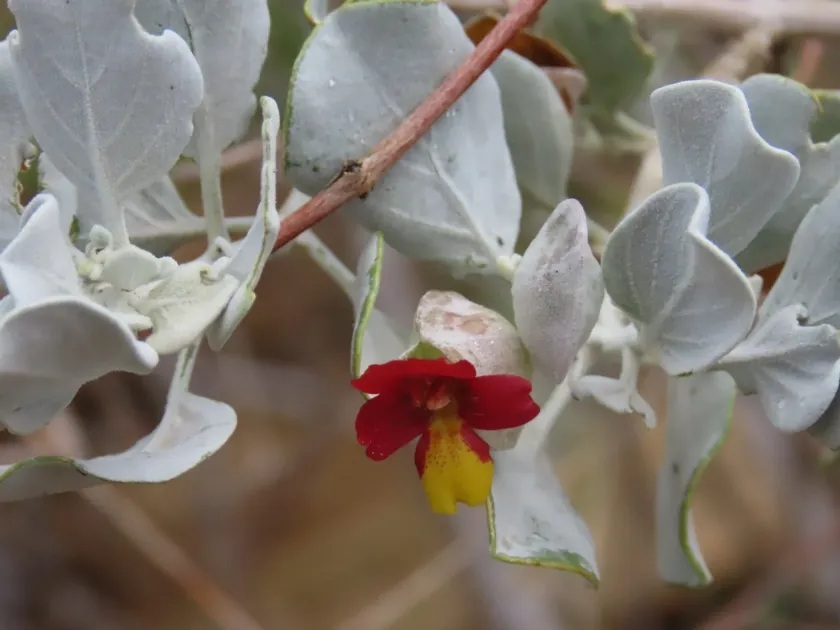
Description
Growing requirements
Petalidium englerianum is a distinctive species belonging to the Acanthaceae family, known for its extreme resilience in arid environments. This perennial shrub has adapted over millennia to the harsh climate of southwestern Africa, primarily focusing its survival mechanisms on water conservation and thermal regulation.
The geographic range of this species is largely concentrated in the desert and semi-desert regions of Namibia. In these areas, the plant thrives on rocky outcrops and sandy plains, areas where most agricultural crops would perish due to lack of moisture and intense heat exposure.
Botanically, Petalidium englerianum exhibits characteristic features of xerophytes: reduced leaf surfaces and a deep root system. The plant blooms with tubular flowers that are typical for the family, and it maintains a compact growth habit that protects it against mechanical damage from harsh desert winds.
Cultivation requirements for this species are centered on mimicking its native habitat. It requires extremely well-drained, nutrient-poor, mineral-based soils. Irrigation must be strictly controlled, as water stagnation around the base of the plant is fatal due to the rapid onset of physiological disorders.
The agricultural and environmental use of this plant is primarily linked to land reclamation in arid zones. As a forage source for desert-adapted wildlife and livestock, it provides essential cover and biomass in environments where biodiversity is under constant threat from climate change and overgrazing.
Main diseases and pests
The primary threats to Petalidium englerianum involve opportunistic pathogens that target the plant when it is weakened by environmental stressors. Specifically, fungal pathogens thrive in any environment where humidity is elevated, making the plant highly susceptible to root and stem rot.
In terms of pests, various lepidopteran larvae may feed on the foliage during active growth phases, causing defoliation. While these pests are natural components of the ecosystem, large outbreaks can severely inhibit the recovery of individual plants, especially in managed or fenced grazing plots.